Payoneer B2B Volume Up 48% as Nuvei Acquisition Proceeds
Payoneer's second-quarter results show the business mix shifting exactly where its acquirer would want it: away from interest income and towards B2B payment volume. The company is being bought by Nuvei for $2.75 billion.
August 10th, 2026
Last updated: August 10
Key takeaways
- Payoneer processed $23.7 billion in payment volume in Q2 2026, up 15% year on year.
- B2B volume grew 48% to $4.3 billion, while volume from SMBs selling on marketplaces grew just 2%.
- Revenue excluding interest income rose 10% to $222.2 million; interest income fell 11% to $52.1 million.
- Payoneer posted a net loss of $2.4 million, against $19.5 million of net income a year earlier.
- Nuvei is acquiring Payoneer at $7.40 a share, about $2.75 billion, with closing expected in mid-2027.
Data highlight
48%
Year-on-year growth in Payoneer B2B payment volume
Q2 2026 (three months to 30 June 2026)
As reported by Payoneer in its Q2 2026 results of 6 August 2026: B2B volume of $4.3 billion, up 48% year on year. Segment definitions are Payoneer's own and are not directly comparable with other operators' disclosures. Total payment volume across all segments was $23.7 billion, up 15%.
“Payoneer's Q2 results reflect the strength of our business and execution of our team: double-digit revenue growth excluding interest, continued ARPU expansion, and a further acceleration of B2B volume growth to 48%.”
Payoneer reported second-quarter 2026 results on 6 August, its first full quarter since agreeing to be acquired by Nuvei. Total payment volume reached $23.7 billion, up 15% year on year, while revenue rose 5% to $274.3 million.
The headline growth rate understates what happened underneath it.
Where the growth actually came from
Volume growth was concentrated in the segments Payoneer has been pushing towards, and largely absent from the one it was built on:
Segment | Q2 2026 volume | Growth |
|---|---|---|
B2B | $4.3bn | +48% |
Enterprise payouts | $6.6bn | +22% |
Total payment volume | $23.7bn | +15% |
SMBs on marketplaces | $12.4bn | +2% |
Marketplace seller volume — still the largest single segment at $12.4 billion — grew 2%. B2B, roughly a third its size, grew 48%.
The interest income problem
Revenue excluding interest income rose 10% to $222.2 million. Interest income, earned on the $7.7 billion of customer funds Payoneer holds, fell 11% to $52.1 million.
That divergence matters more than the headline revenue figure. Interest income is a function of rates rather than execution, and it flatters results when rates rise and drags on them when rates fall. Stripping it out, adjusted EBITDA excluding interest income rose 138% to $19.3 million — off a small base, but in the direction that makes the underlying business look self-sustaining.
Payoneer posted a net loss of $2.4 million, against $19.5 million of net income a year earlier. ARPU rose 18% to $533.
What the Nuvei deal does to this
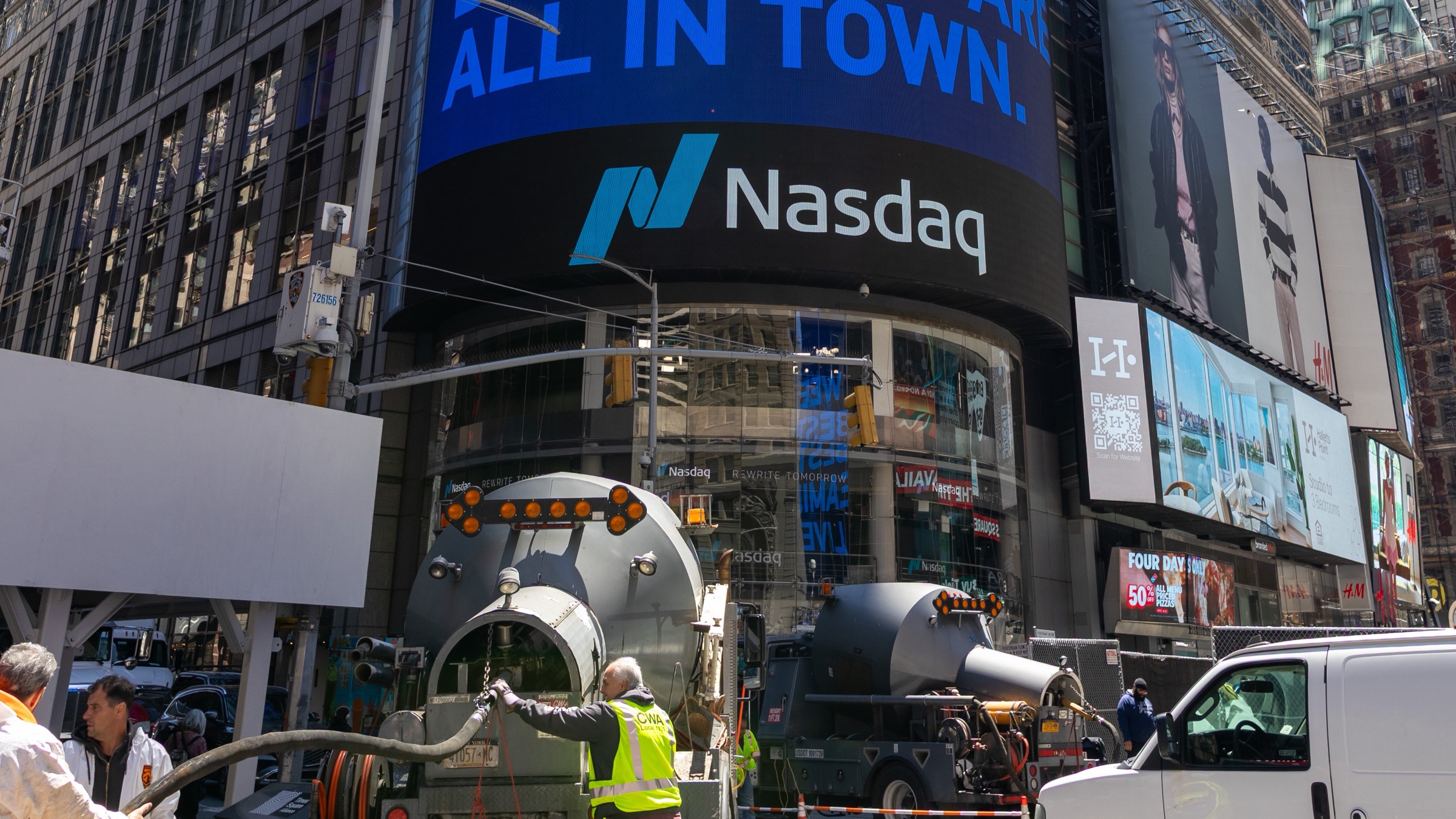
Nuvei agreed in June to acquire Payoneer for $7.40 per share in cash, valuing the equity at roughly $2.75 billion. The waiting period under US antitrust review was granted early termination on 28 July 2026, and the transaction is expected to close in mid-2027, subject to shareholder approval and remaining regulatory clearances. Payoneer would then delist from Nasdaq.
A mid-2027 close means several more quarters of standalone reporting. For anyone tracking the cross-border payouts market, that is a useful window: Payoneer is one of the few pure-play operators still disclosing segment-level volume, and once the deal closes that disclosure goes away.
How to cite
HaiPay News, "Payoneer B2B Volume Up 48% as Nuvei Acquisition Proceeds", https://www.haipay.net/news/payoneer-q2-2026-b2b-volume-nuvei-acquisition, August 10th, 2026
About the author
Crystal
Digital Public Relations
A digital PR specialist with a Master's in Journalism & Communication from UNSW. Started as an intern at ABC Australia, now leads public relations at Haipay, crafting press releases and media strategies that bring brand stories to life.
Reviewed by Wesley WangEditorial policy