



 150+ methods




PCI Certification
One cross-border payment platform for local pay-ins across 34 markets and payouts to 50+ countries — built for high-frequency, small-amount flows.
150+
Local payment methods
USD
Settlement; more currencies in selected markets
50+
Payout countries
98%
Payout success rate
PCI DSS · GDPR · ISO 27001 · 10,000+ clients · 10M+ daily orders
Cross-border payment solutions let a business accept payments from customers in other countries and pay out to recipients abroad through a single integration — the payment facilitator model. They combine local payment methods, card acquiring, currency conversion, risk screening and settlement — replacing the separate bank and processor contracts that international trade would otherwise require.
Whether the provider reaches target markets through local payment rails rather than cards and wire transfers only.
How conversion, settlement, and dispute costs are disclosed before committing.
How much KYC, AML, and local regulatory work the provider absorbs on behalf of the business.
Conclusion: These three criteria separate providers that merely move money from those that lower the real cost of selling internationally.
Payment Conversion Bottleneck
Only credit cards are supported, leaving users without available payment options
Directly loses over 20% of potential orders
Fragmented Fund Flow
Collections across multiple markets are fragmented, and reconciliation relies on manual work
Low operational efficiency with a high error rate
Platform Commission Deduction
Apple App Store and Google Play charge a 15%–30% commission
A guaranteed loss of 15%–30% of revenue
Local Payments as the Entry Ticket to Emerging Markets
Integrating the top three local payment methods can increase conversion rates by 40%–60%
A necessary choice to improve payment success rates
Money moves in three hops. Each one runs on local rails instead of correspondent banking.
Step 1
Buyers pay with the method they already use at home.
Step 2
Outbound FX from 1% to 2.5%, by market. Settlement in USD.
Step 3
To bank accounts and e-wallets across 50+ countries.
Layer 2


Layer 1


Covers mature markets such as North America, Europe, and Japan — the global payment foundation
Every market we acquire in, and exactly which rails work there. Where something is not supported we say so — an honest matrix is more useful than an all-green one.
Swipe or scroll to compare methods. Keyboard: ← →.
Cards
Accept widely used credit, debit, and prepaid cards for online payments.
 etc.
etc.Wallets
Enable mobile payments through local and global digital wallets.


 etc.
etc.Bank Transfers
Support secure bank transfers and real-time A2A payments across regions.
Local methods
Name local rails such as PayNow, virtual accounts, OTC cash, and QR schemes.
Northeast Asia
Taiwan, China local methods: supported — Offline ATM Transfer, Convenience StoreOffline ATM Transfer; Convenience Store
Japan local methods: supported — Convenience Store, Pay-easyConvenience Store; Pay-easy
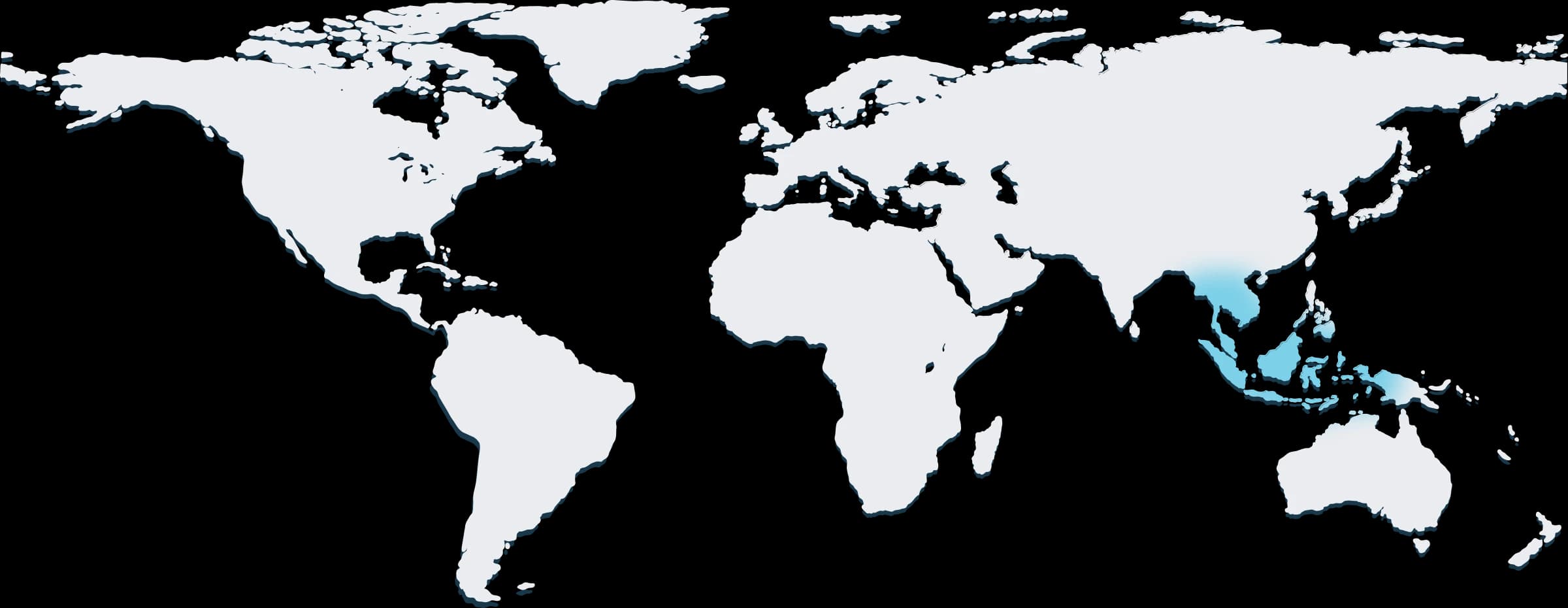
Southeast Asia
Indonesia local methods: supported — QRISQRIS
Malaysia local methods: supported — DuitNow QRDuitNow QR
Singapore local methods: supported — PayNowPayNow
Vietnam local methods: supported — VietQRVietQR
Thailand local methods: supported — PromptPayPromptPay
Philippines local methods: supported — QR PhQR Ph
South Asia
India local methods: supported — UPIUPI
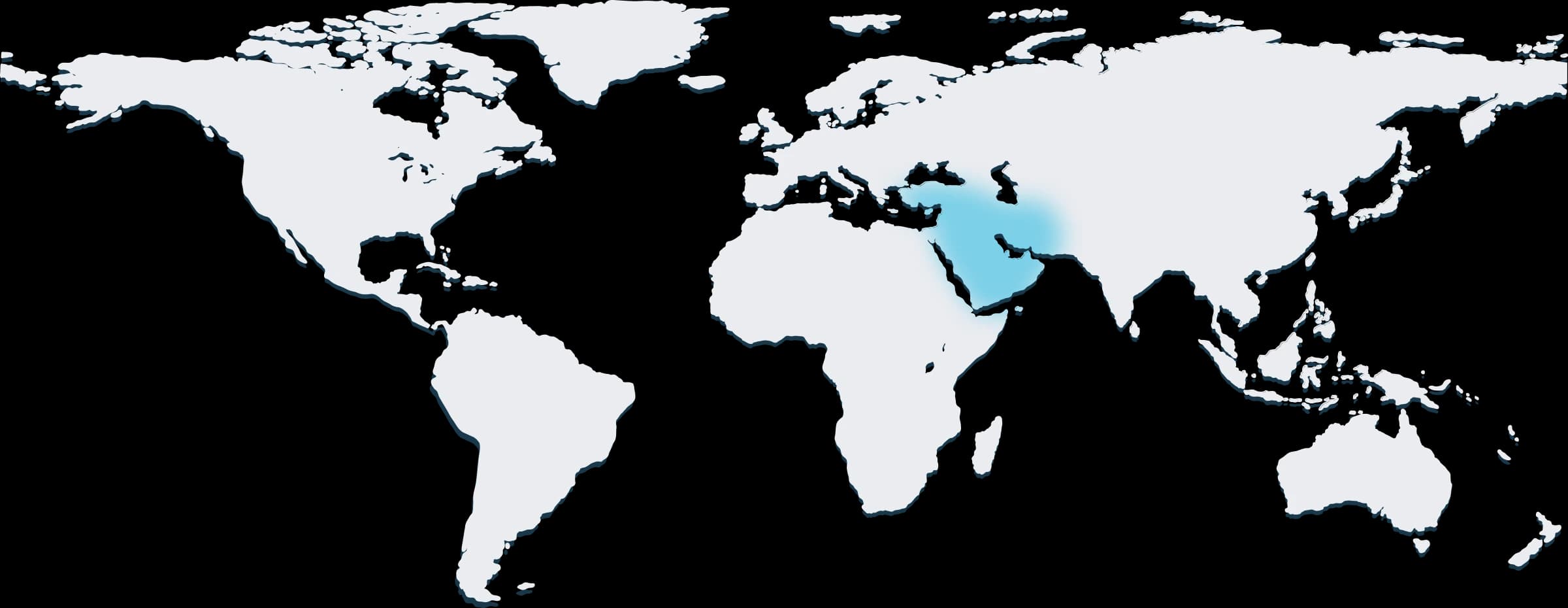
MENA
Jordan local methods: supported — CliQCliQ
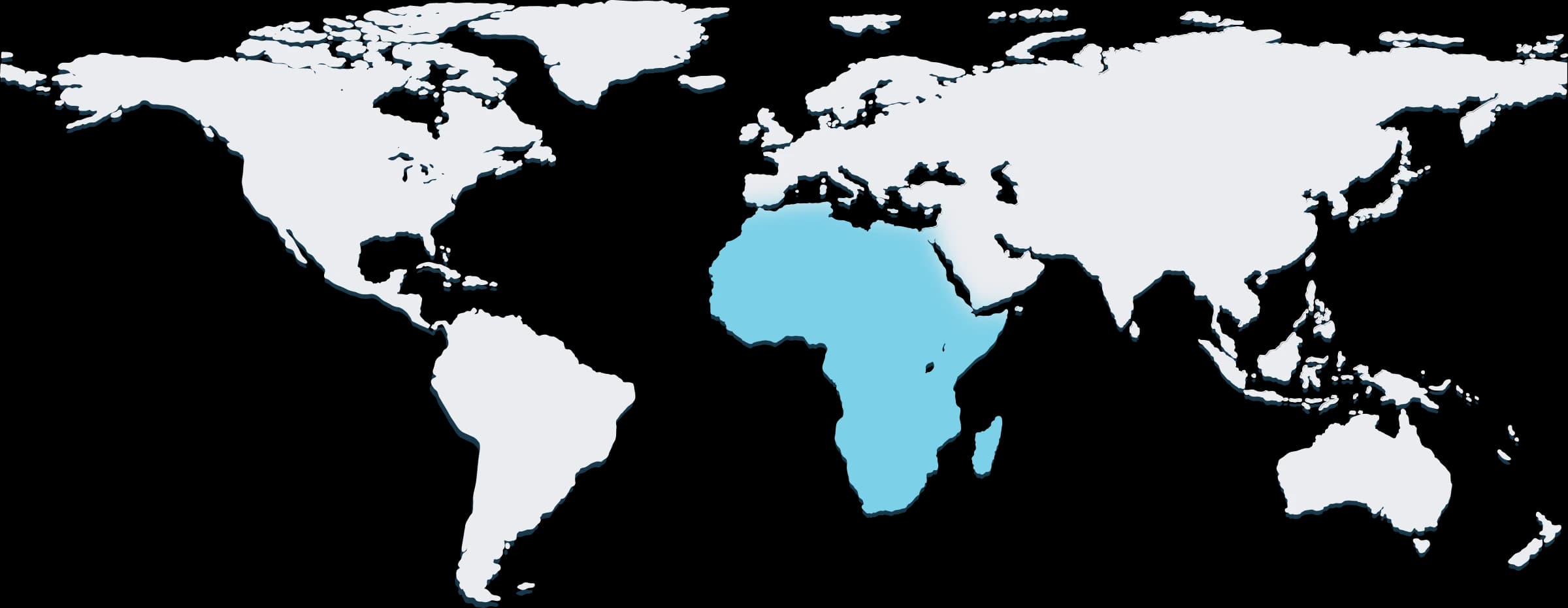
Africa
Egypt local methods: supported — Convenience stores and mobile operator outletsConvenience stores and mobile operator outlets
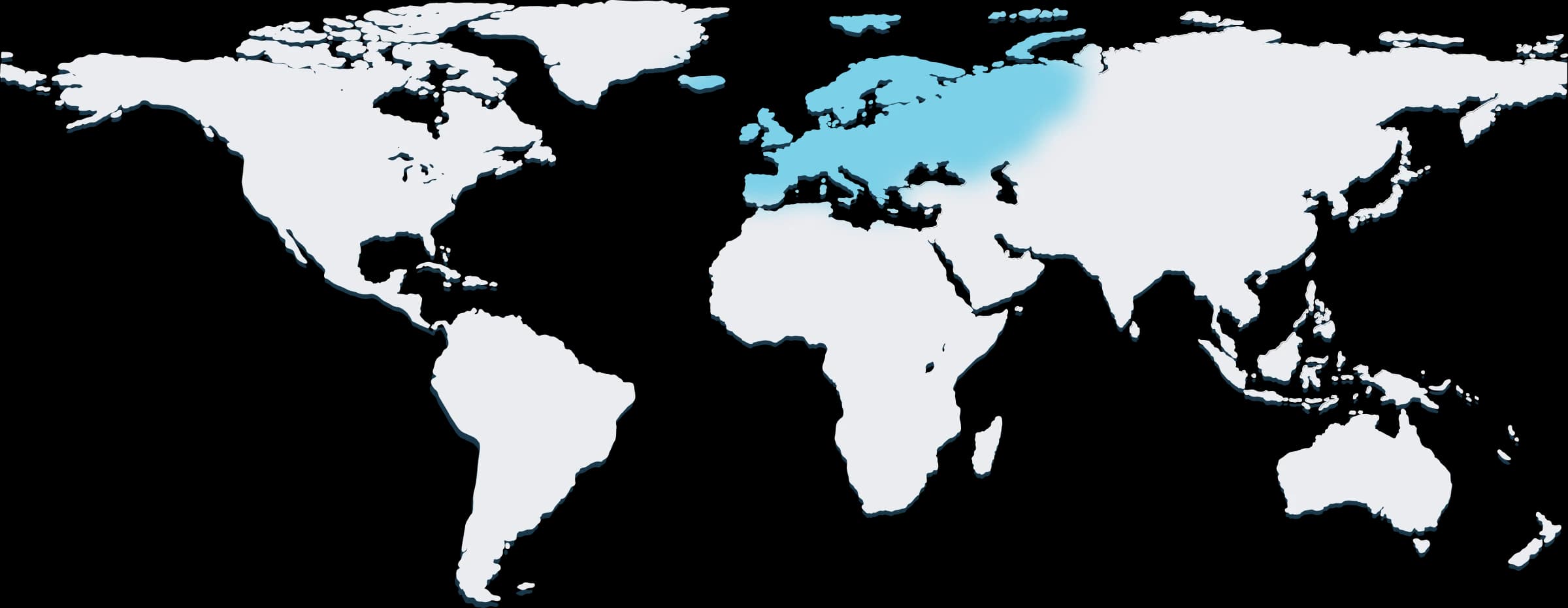
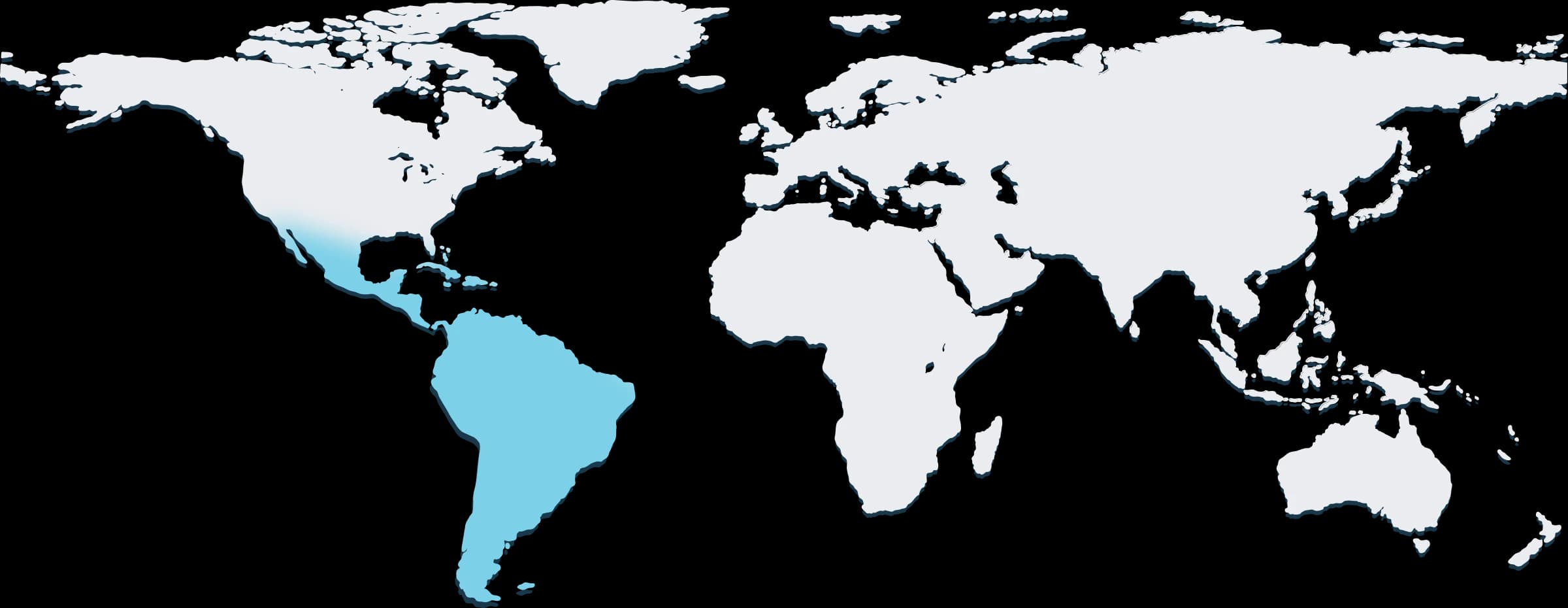
Europe & Americas
Mexico local methods: supported — OXXOOXXO
Brazil local methods: supported — PIXPIX
✓ supported | — not supported | Cards: supported in all 34 markets
50+
Countries & Regions
Real-time
Typical arrival time
98%
Payout success rate
$0.1
Minimum payout
1,000+
Payouts per batch
100%
Segregated client funds
From collection to payout, from FX to settlement — one account, one integration.

Accept the methods buyers already use, across 34 markets on local rails.

Visa, Mastercard, Google Pay and Apple Pay, on blended or IC++ pricing. US merchants contracting through HaiPay’s US entity: US-issued cards from 2.5% + US$0.30; cards issued outside the US from 4.0% + US$0.30, after a business and risk review.

Pay suppliers, creators and workers into banks and wallets worldwide.

Convert and settle in USD at local market rates, priced per market.
Review a sample IC++ cost breakdown, then check the payment-method, FX and account terms that apply to your business.
1.80% Interchange, costing US$1.80.
0.20% Card networks charge, costing US$0.20.
0.50% HaiPay processing fee, costing US$0.50.
This IC++ illustration is not HaiPay’s blended rate or a merchant quote. Interchange and scheme fees vary; processing, fixed per-transaction and other applicable charges are confirmed in your quote.
Illustrative percentage components: 2.50% · US$2.50, before other applicable charges
Setup fee
The initial fee for activating HaiPay services.
US$0
HaiPay does not charge any setup cost.
Annual fee
Annual fee for payment acceptance.
US$0
US$0 annual fee; confirm any account-specific monthly charges in your quote.
Card processing (blended)
Starting rate for US-issued cards, for US merchants contracting through HaiPay’s US entity.
From 2.5% + US$0.30
Cards issued outside the US: from 4.0% + US$0.30. Business and risk review applies.
Local payment methods
Fees for local payment methods such as e‑wallets or bank transfers.
From 1.2%
QRIS in Indonesia. FX and applicable local taxes are listed separately in your quote.
Processed refund
US$0.30 per processed refund.
US$0.30
Outbound FX
Fees for converting funds between currencies.
1%–2.5%
Varying by market and FX corridor.
USD settlement transfer
US$15 per USD settlement wire; intermediary bank fees are borne by the recipient.
US$15
Settlement timeline
Settlement schedule and bank-arrival arrangements depend on the account and payment method.
Confirmed in your quote
Minimum monthly billing
No minimum monthly billing for payment acceptance.
None
This does not mean all account fees are waived.
Disputes & risk deposits
US$20 per dispute. Any required risk deposit is confirmed in your quote.
US$20 per dispute

Entity, ownership, and business‑model checks before an account goes live.

Real‑time screening of parties against global sanctions lists.

Ongoing transaction monitoring against money‑laundering typologies.

3DS authentication plus machine‑learning scoring on every transaction.
PCI Certification

GDPR Data Protection

ISO Certification
Three results from merchants who switched on local methods. Figures as published on our local payments page.

A leading e‑commerce merchant in Brazil saw checkout conversion rise from 42% to 89% after switching to Pix, with repurchase rate increasing by 60%.

89%Checkout Conversion Rate(↑47%)
+60%Repurchase Rate
Deeply integrated into industry workflows to solve real payment and payout challenges
Global game acquiring and incentive distribution

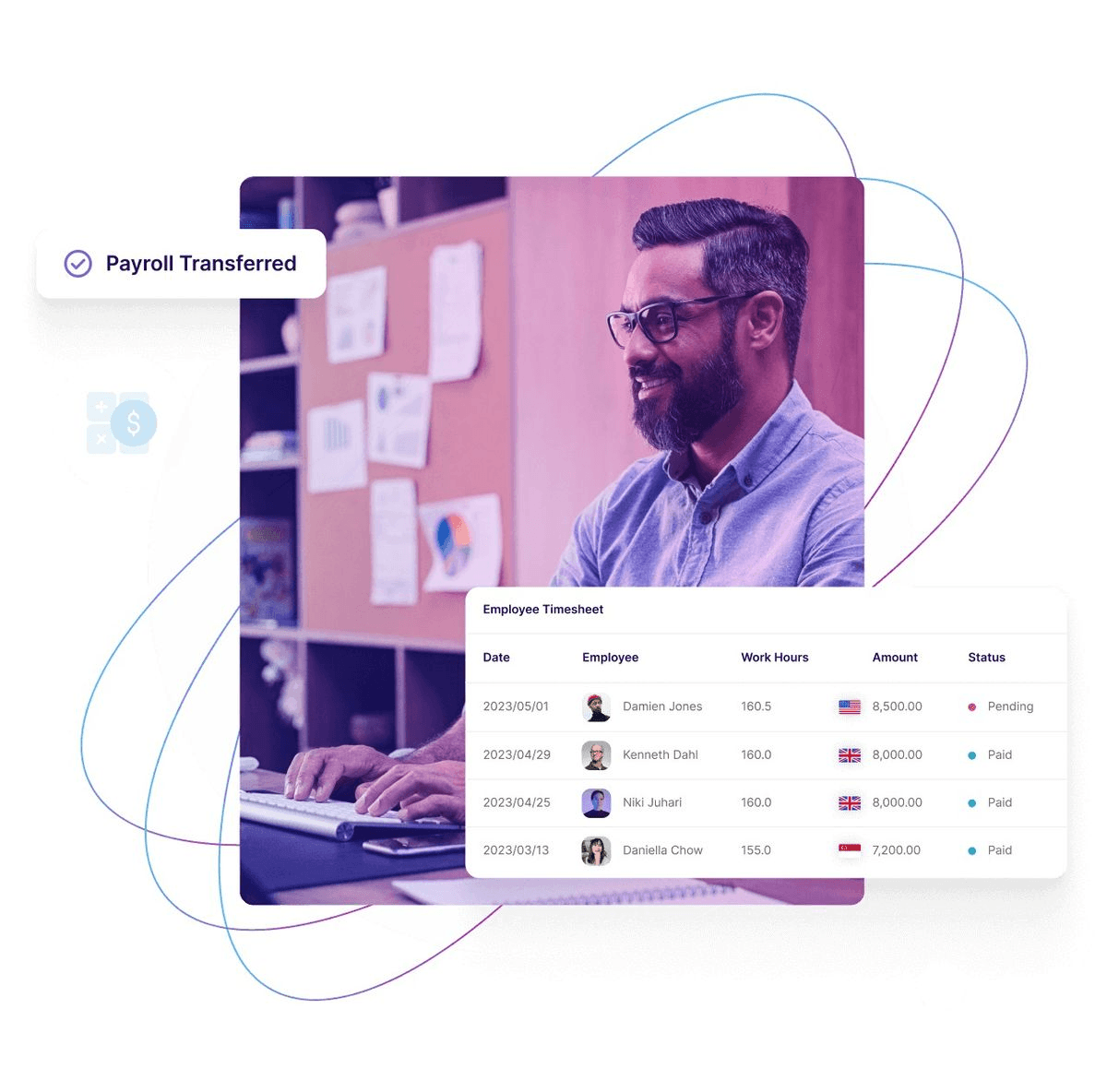
Global local collection and payout; creator/host salary disbursement

Fiat on/off‑ramp; local payment rails for emerging markets
Direct acquiring and collection for independent stores
Creator In‑App Transactions subscriptions; Merchant In‑App Transactions subscriptions
Mass payouts to global freelancers
Every product behind the flows above.
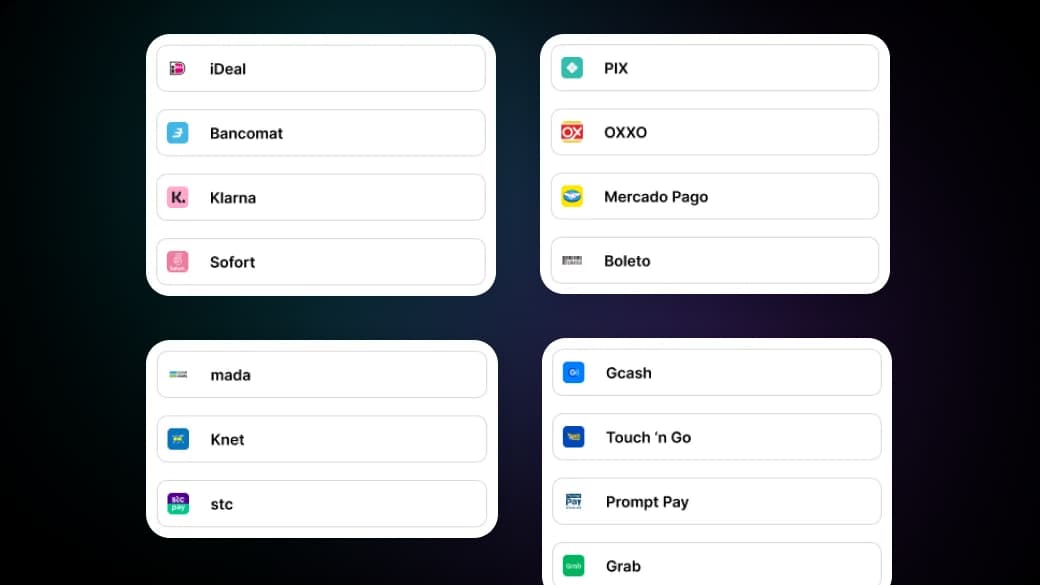
Supports major local payment methods worldwide to meet regional acquiring needs.
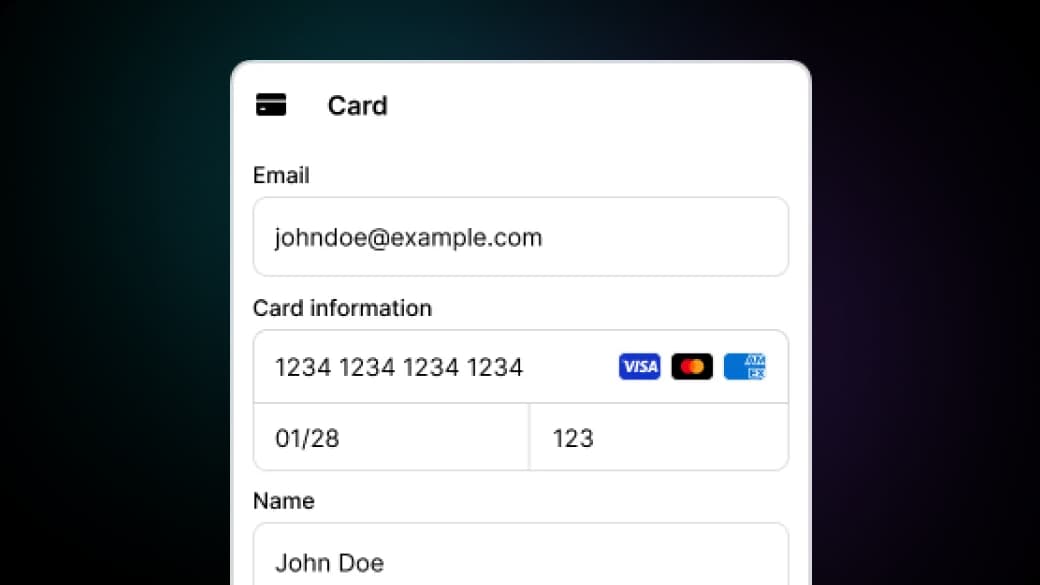
Connected to global card schemes and acquirers, suitable for e‑commerce, content platforms, and more.
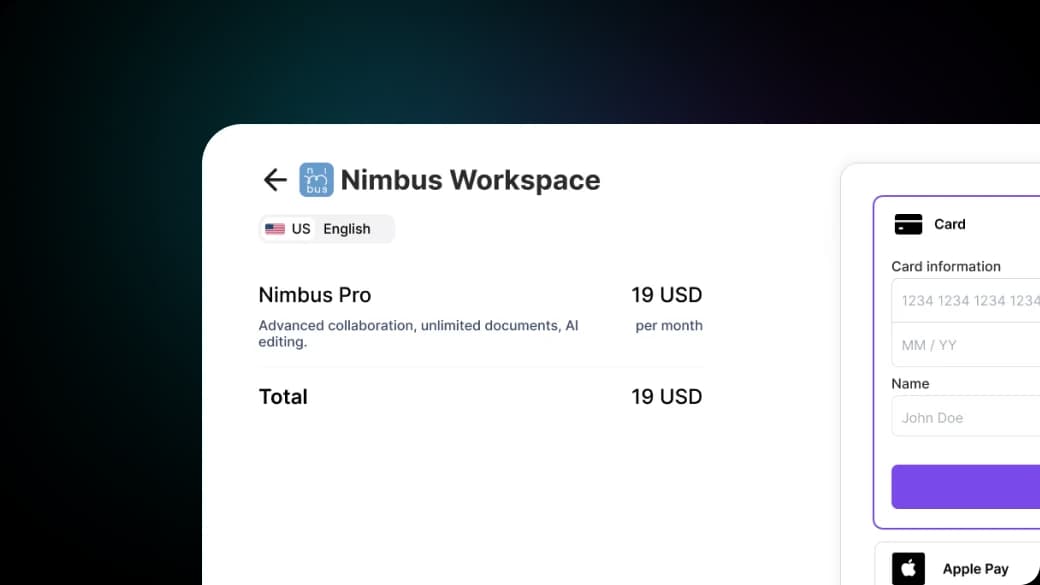
Supports CIT/MIT models for recurring billing in membership, content subscription, and SaaS scenarios.
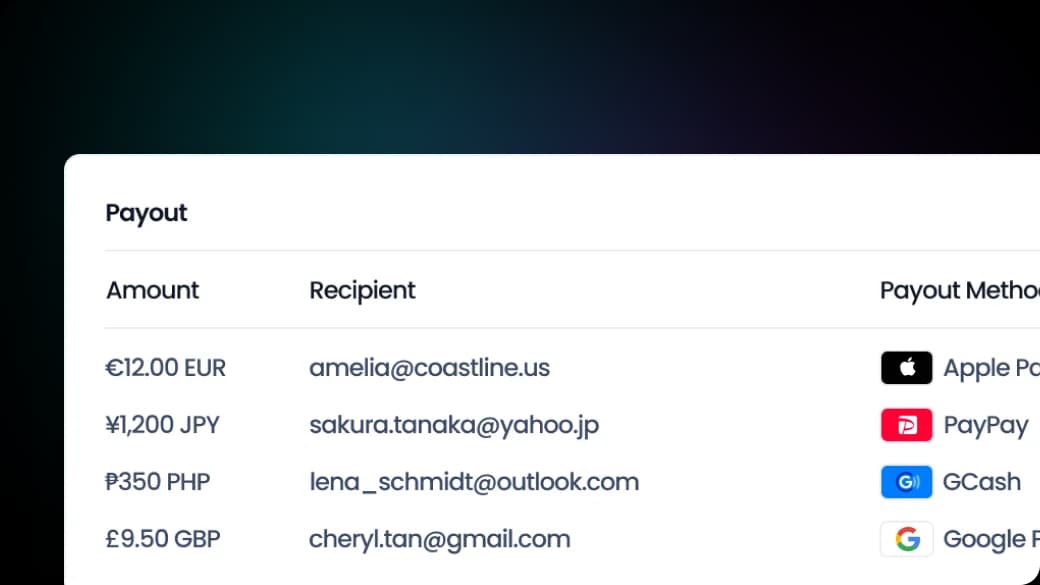
Cross‑border payout capabilities for businesses, platforms, and freelancers, supporting mass payroll and multi‑currency disbursement.

Issue USD virtual cards for advertising and AI subscriptions, or integrate card issuing through an API.
A cross-border payment platform lets one business accept money from buyers abroad and send money to recipients abroad through a single integration, handling local payment methods, currency conversion, risk screening and settlement in one place — instead of a separate bank or processor contract per market.
A cross-border payment moves in three hops: the buyer pays with a local payment method in their own market; the provider converts the currency and settles the funds, typically in USD; and the money is paid out through local rails to a bank account or wallet in the recipient's country. Replacing correspondent banking with local rails at both ends is what turns multi-day transfers into real-time ones.
The main risks are currency risk — exchange rates can move between charge and settlement — fraud and chargebacks on card payments, compliance risk where KYC, AML and sanctions rules differ by market, and settlement risk when funds pass through multiple intermediaries. Providers manage these with rate locking, 3-D Secure and risk screening, sanctions-list checks, and fully segregated client funds.
For merchants the recurring problems are conversion loss when only cards are offered — buyers in many markets pay by e-wallet, bank transfer or QR — fragmented fund flows across markets and accounts, platform commissions cutting into margin, and the cost and slowness of correspondent banking, where every intermediary adds fees and days. A single cross-border payment platform exists to remove exactly these frictions.
Compare local payment rails with card and wire options for your target markets. Local payment methods start from 1.2%, such as QRIS in Indonesia; method rates, FX and applicable local taxes are listed separately in your quote. Review the full cost of collection, conversion, refunds, disputes and settlement transfers before choosing a route.
Cards are the baseline, but in most markets the methods buyers actually use are local: e-wallets and QR schemes such as QRIS in Indonesia, PromptPay in Thailand and Pix in Brazil, real-time bank transfers in Europe, and UPI in India. The right mix is market-specific — check a provider's country-level coverage matrix rather than a global method count.
Tell us your markets, methods and volume. We map the payment stack and come back with a written quote.
Or compare our payment gateway pricing.