iOS (Swift / SwiftUI)
How you integrate
Native SDK via CocoaPods or Swift Package Manager
What it covers
Apple Pay, 3DS authentication, card tokenization, subscription management
Payment solution for video game publishers
Sell direct to players through web shops and top-up centers, accept 150+ local payment methods, and pay out to studios and creators in 50+ markets — on one compliant platform.

150+
Local payment methods
50+
Payout markets
85.5%+
Order success rate
A game payment gateway is the payment infrastructure that lets video game publishers and studios accept player payments — in-game purchases, web shop top-ups, and subscriptions — outside or alongside app store billing. A gaming-ready gateway combines local payment methods, fraud and chargeback controls, and payouts to developers and creators in one integration.
Where players pay
Inside the store’s checkout only
Your website, with generic e-commerce flows
In-game, web shop, top-up center, and social channels
Local methods in emerging markets
Limited to what the store supports
Patchy; wallets negotiated one by one
Built in — regional wallets, bank transfers, and QR schemes through one integration
Risk posture for virtual goods
Handled by the platform
Games often flagged or restricted as high risk
Built for games, with fraud and chargeback controls designed for virtual goods
Who is the merchant of record
The store sells to the player and pays you a net share
You — with your own tax and compliance stack
You stay the merchant of record; the gateway supplies acceptance, risk controls, payouts, and market-by-market tax guidance
In short: for publishers selling across app stores, web shops, and social channels at once, a game payment gateway is the single layer that unifies acceptance, risk, and payouts.
Definition and comparison by HaiPay. Store-billing rules follow the Apple App Review Guidelines (3.1.1, 3.1.3) and the Google Play Payments policy. Reviewed September 2026.
Every claim below is backed by a verbatim quote from game developers on Reddit — linked and dated.

Major app stores take up to 30% of every in‑app purchase before your revenue reaches you.
“It's outrageous that Valve takes a 30% cut from every game sale on Steam without providing much in return.”

Store payout cycles are slow and opaque — and when settlement finally lands, forced currency conversion at bank rates quietly takes another cut.
“I’ve had two apps on the Apple Store since January of this year, but I’ve never received a payment from Apple.”

In Asia-Pacific, digital wallets carried 77% of online spend in 2025 (Worldpay Global Payments Report 2026). Across Latin America and Africa, wallets, bank transfers, and cash vouchers play the same role. Every method you don't support is revenue you never see.
“If the user’s device has NO UPI apps installed … This creates a dead‑end payment flow.”

Mainstream processors class virtual goods as high risk. Studios get flagged, frozen, or rejected outright — before a single fraudulent transaction occurs.
How chargebacks work“Stripe flagged my subscriptions as fraudulent, even my own personal bank card… I really need a way to process payments soon or this project will die.”
Most gateway pages describe the outcome. This section explains the route — and where each route is allowed.
Players pay inside the app through an embedded SDK, in markets where platform policy allows an alternative to in‑app billing.
Best for:
Key constraints:
The app loads a HaiPay‑hosted payment page inside a WebView and returns to the app over a JS bridge or deep link.
Best for:
Key constraints:
The purchase opens in the system browser and returns to the app through a Universal Link or App Link with the session preserved.
Best for:
Key constraints:
Storefront rules differ by market and change year to year. Confirm the current Apple and Google policy for each market before you launch a route.
Policy sources
Checked September 2026.
See hosted checkoutNative SDKs for iOS and Android, plugins for Flutter and React Native, and a Unity package — plus hosted checkout that runs inside a WebView or the system browser, so every engine your team ships on integrates without a custom payment layer.
How you integrate
Native SDK via CocoaPods or Swift Package Manager
What it covers
Apple Pay, 3DS authentication, card tokenization, subscription management

How you integrate
Native SDK via Gradle
What it covers
Google Pay, local wallets, subscription management

How you integrate
Flutter plugin
What it covers
One cross-platform API that adapts to the native SDK underneath

How you integrate
npm package
What it covers
Bridges to the native SDKs; Expo supported

How you integrate
Unity package
What it covers
Built for games: one-time purchases and subscriptions

Keep in‑app billing where it is required, and route everything else through your own rails.

Sell currency, items, and passes direct from your own site — the D2C channel publishers are moving to.
Start with payment links
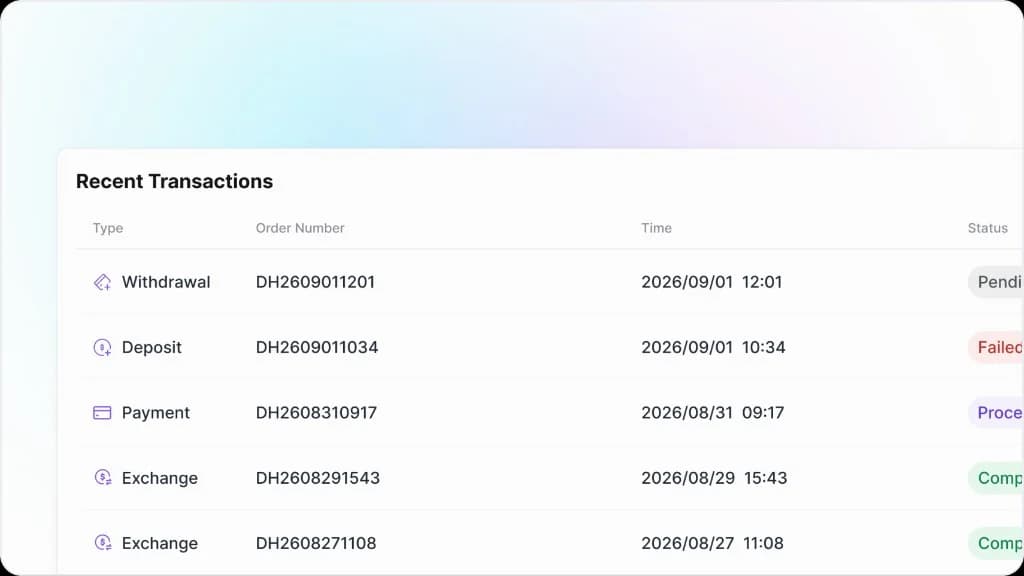
One dashboard and one reconciliation flow across stores, web shop, and social channels.


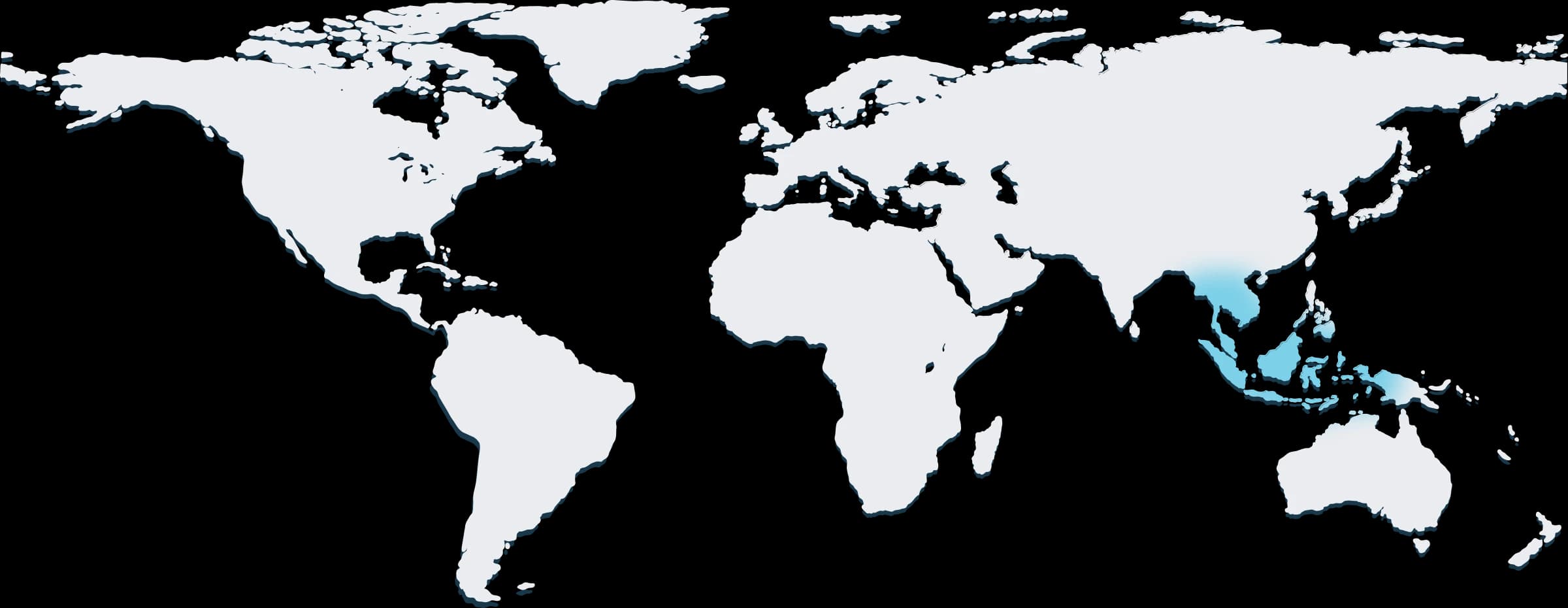
Southeast Asia
GCash, GrabPay, DANA, OVO, QRIS, Touch 'n Go, PromptPay, TrueMoney, MoMo
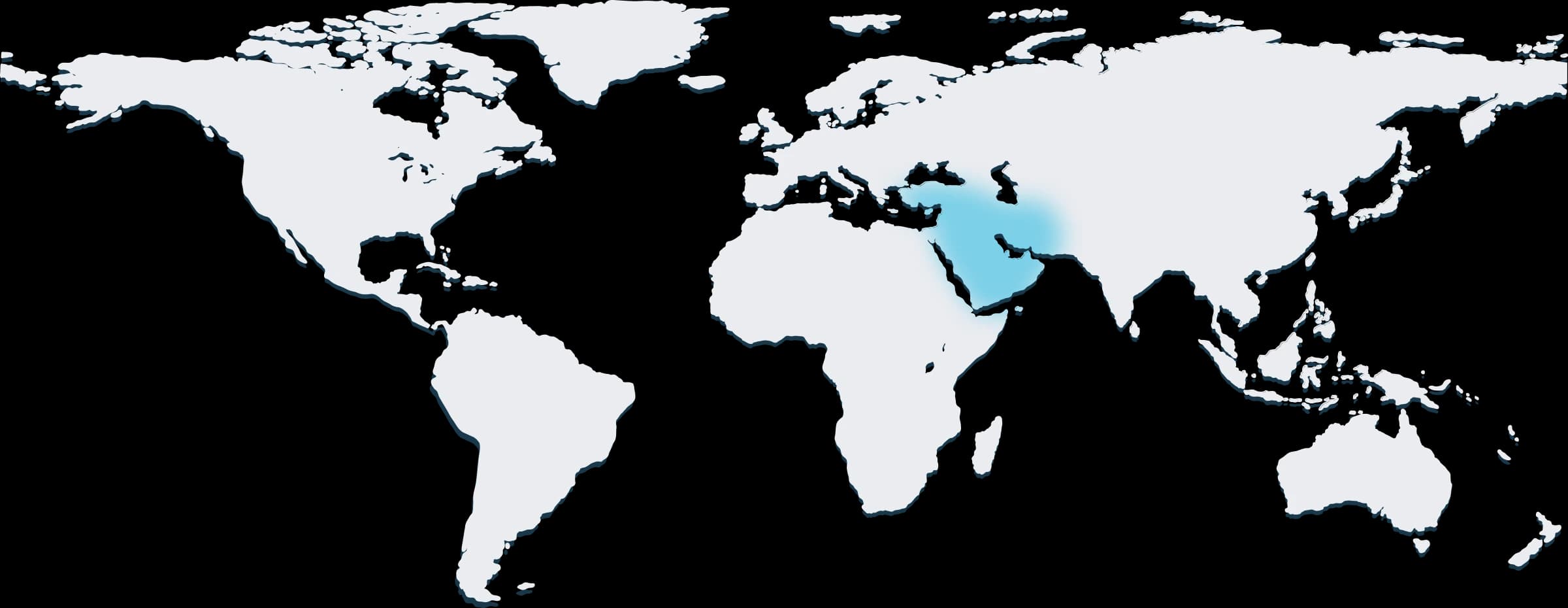
Middle East
mada, KNET, stc pay, Apple Pay
Europe
Visa, Mastercard, Apple Pay, Google Pay
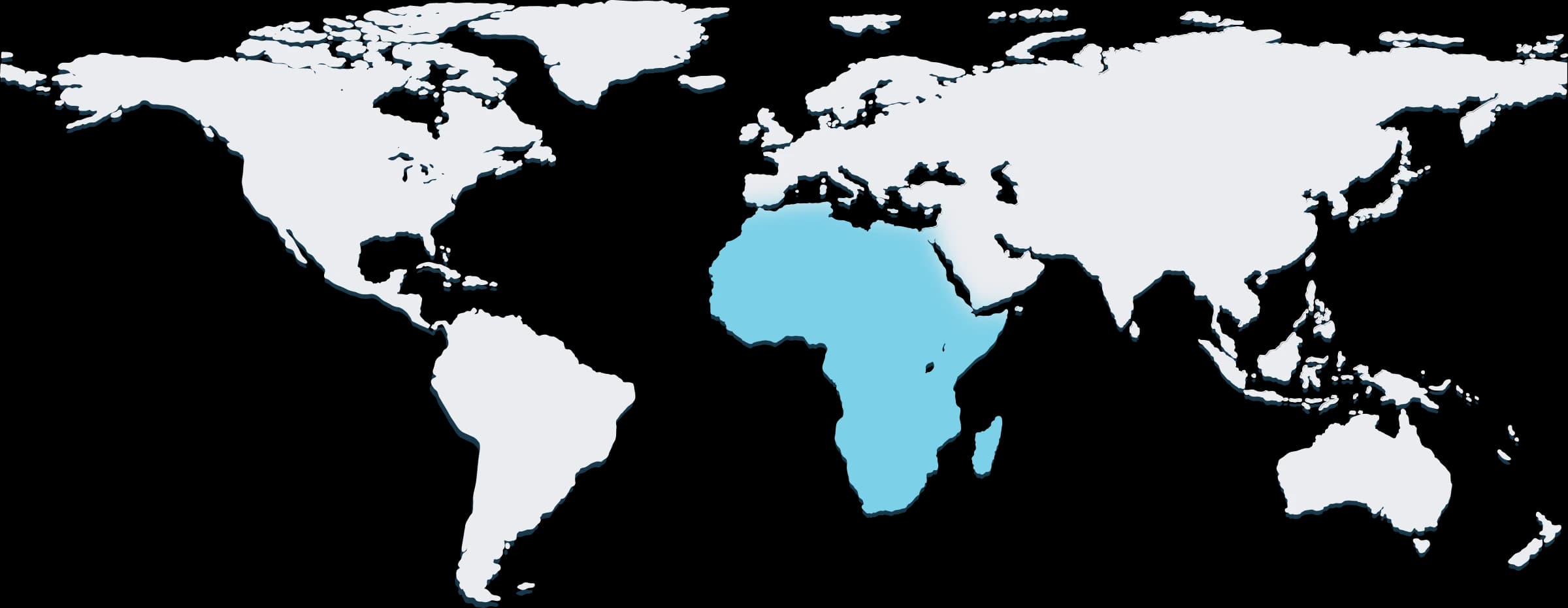
Africa
M-Pesa, MTN MoMo, Airtel Money, Tigo Pesa, OPay, Fawry
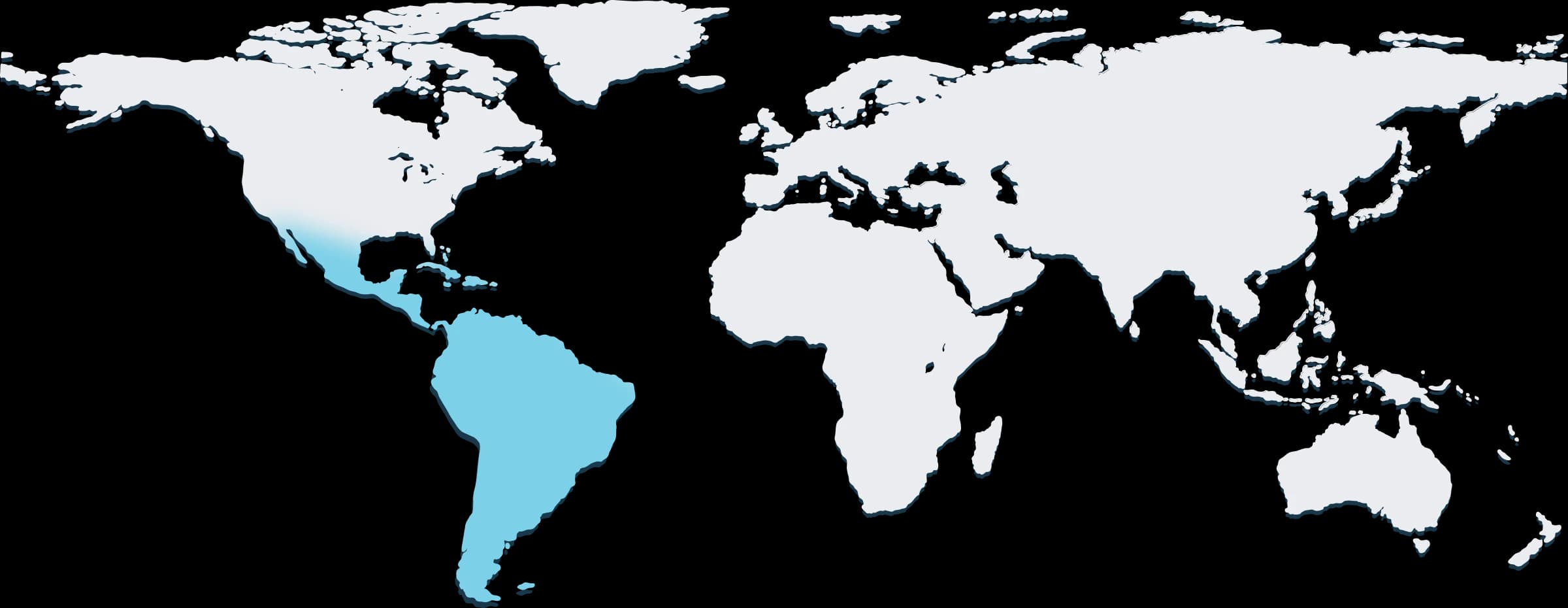
Latin America
Pix, OXXO, SPEI

None — but the store sets the terms
Onboarding varies; games often refused
Built for games as a core vertical
Store collects, then pays you on its cycle
Direct to your account, market by market
Direct to your HaiPay balance, with payouts to studios and creators from the same account
Whatever the store supports in that region
Patchy; each wallet negotiated separately
150+ local methods through one integration
Handled by the platform
Mostly yours
Shared — PCI DSS, local tax support, fraud controls
Commission of up to 30% on in-app purchases, set by the store
Published card rates; game merchants may face high-risk terms
Card processing from 2.5% + $0.30 per transaction, no setup or monthly fees; your quote confirms the rate — see Pricing

A compliant third-party payment route lets you sell direct without putting store listings at risk.

One integration covers wallets, bank transfers, and QR schemes across live markets.

Where cards are the minority, HaiPay connects the payment rails players actually use.

Provides guidance on local tax obligations market by market, preventing growth from creating exposure.
Revenue shares, contractor fees, and creator earnings run through one payout flow: upload a batch or submit by API, and funds land in local bank accounts and wallets.

50+
payout markets
Including the US and the EU‑27 on local rails.
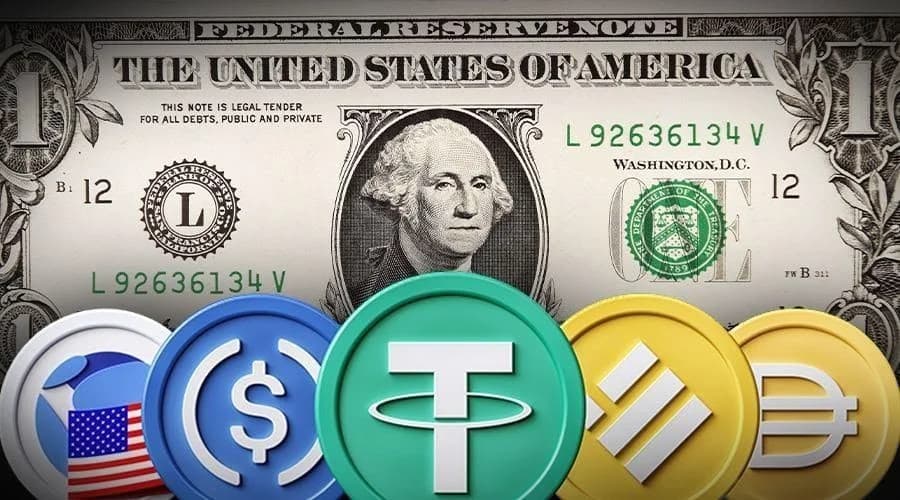
USDT / USDC
stablecoin settlement
For teams that would rather settle on‑chain.

One flow
revenue share · fees · creator earnings
Batch upload or API — same rails, same reconciliation.
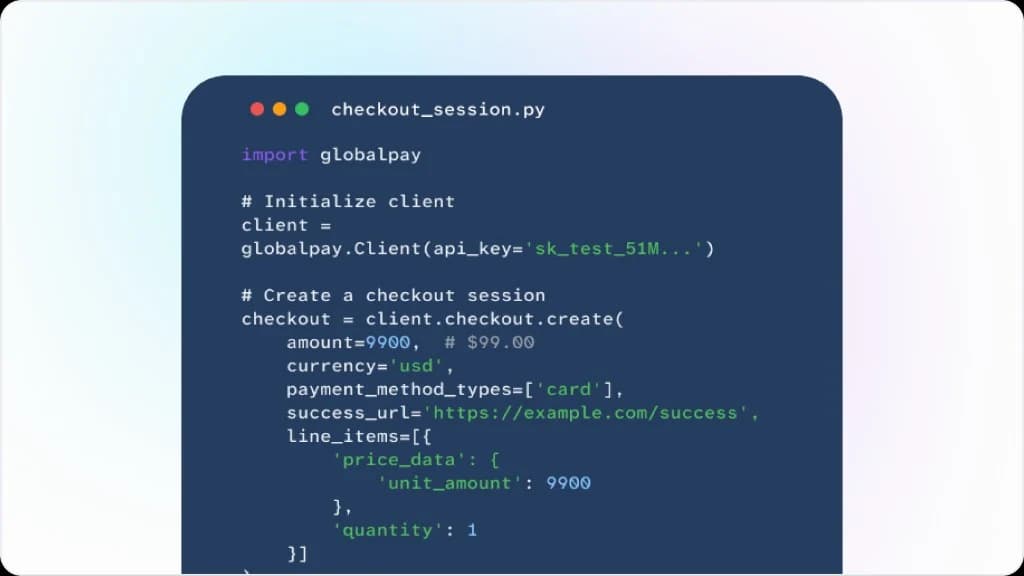
REST endpoints, SDKs, and webhooks covering pay‑ins and payouts.
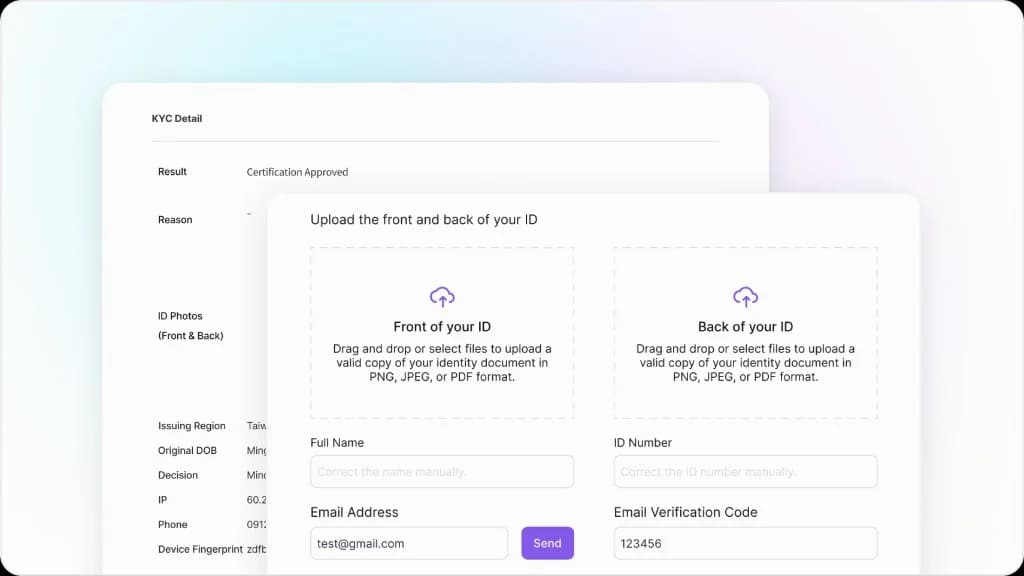
A guided KYC flow with a named contact from application to live.
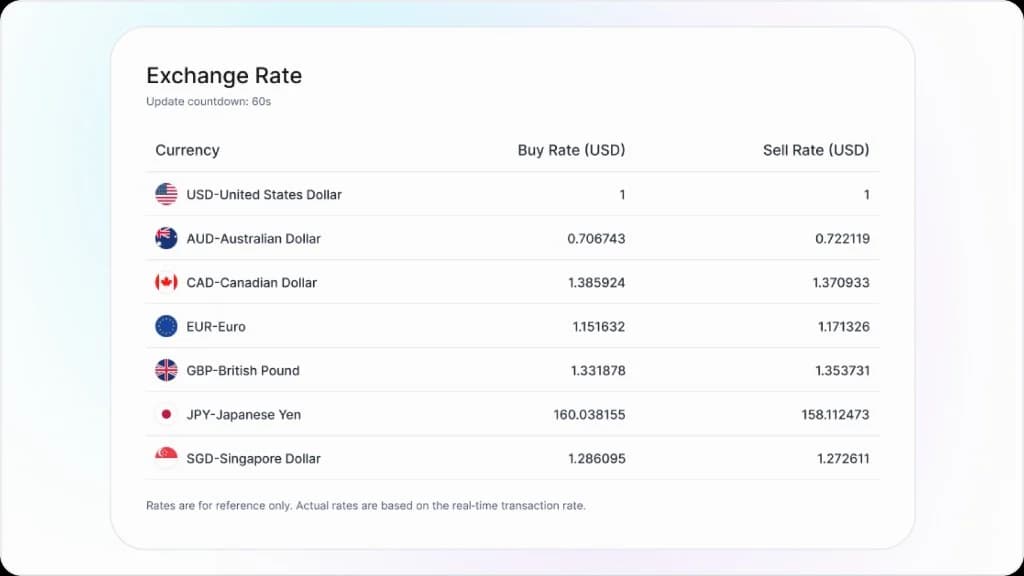
FX based on published per‑market reference rates, not a black box.
Pay hundreds of studios, contractors, and creators in one submission.
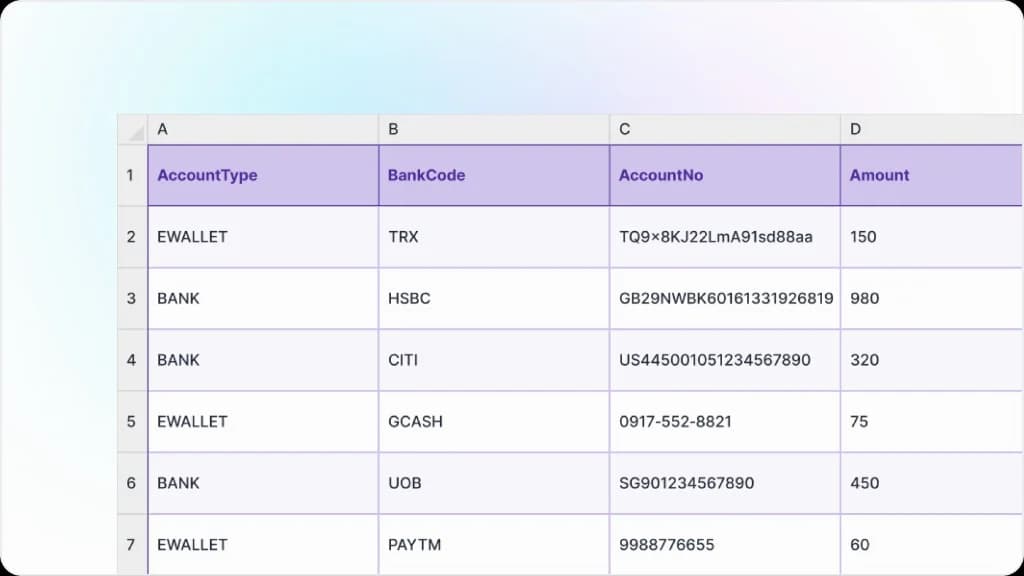
One ledger across stores, web shop, and social channels.
Hosted checkout and payment links for teams without a payments squad.
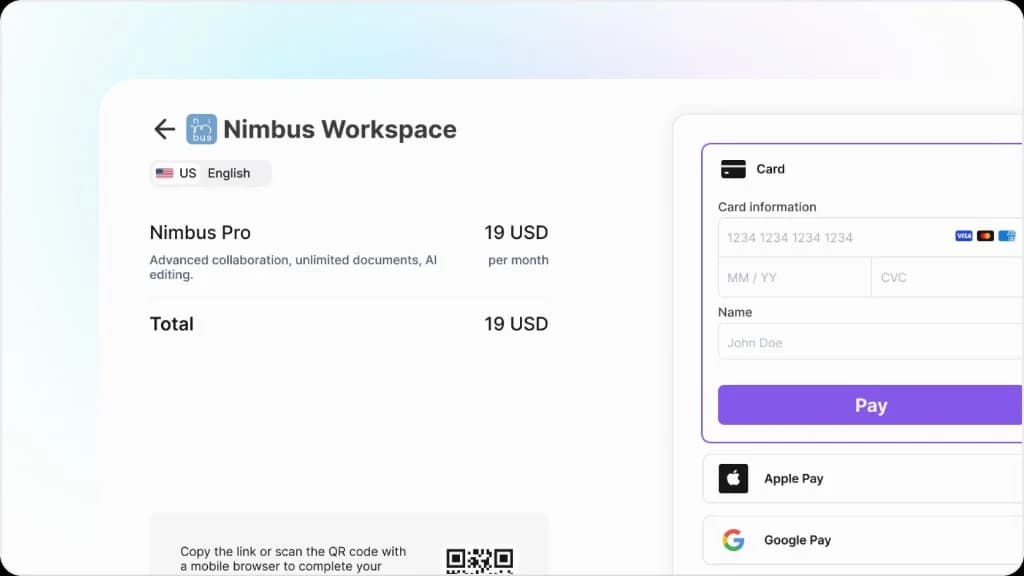
Powered by HaiPay's global acquiring engine, with 3DS authentication and risk controls on every top-up.
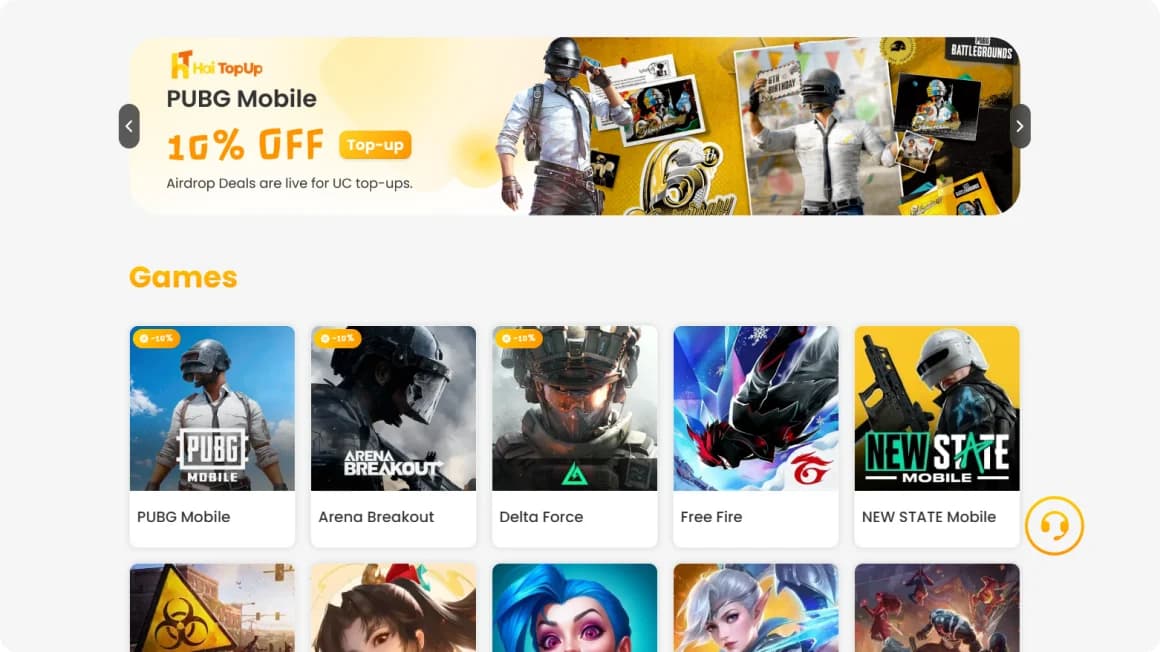

The top-up flow runs on HaiPay's PCI DSS compliant infrastructure.

Select character & top-up amount
Submit top-up request

Supports local e-wallets & major bank cards

3DS authentication & AI risk control
Full-spectrum account protection

Real-time confirmation from the acquiring network
Recorded in one reconciliation ledger

Automatic delivery of in-game diamonds
Success pop-up notification
Game developers accept local payment methods in emerging markets by integrating a gateway that already connects to regional wallets, bank transfers, and QR schemes. Examples include GCash, GrabPay, Dana, OVO, QRIS, PIX, UPI, and M-Pesa. HaiPay covers 150+ local payment methods through one integration, so studios can localize checkout for each market without negotiating with every wallet individually.
See local payment methods by market.Yes — game publishers can sell to players outside app store billing through an official web shop, a website top-up center, or hosted payment links, in markets where platform policies permit external purchases. HaiPay provides the acceptance layer for these direct-to-consumer channels: hosted checkout, local payment methods, and fraud controls, so your web shop takes payments from day one.
Start with payment links.Game payments are treated as high risk because virtual goods attract card fraud and chargebacks: stolen cards buy keys or in-game currency, then the real cardholder disputes the charge. Mainstream processors often restrict or freeze game merchants for this reason. HaiPay supports game publishers as a core vertical, pairing acceptance with fraud and chargeback controls designed for virtual goods, not as an exception to be filtered out.
Read the chargeback process step by step.Paying out to game developers, studios, and creators globally works through a payout service: you upload or API-submit beneficiaries, and funds are delivered to local bank accounts and wallets. HaiPay supports payouts to 50+ markets, including the US and EU, alongside USDT and USDC settlement for teams that prefer stablecoins — one flow for revenue shares, contractor fees, and creator earnings.
Learn more about mass payouts.Regional pricing and local currencies are supported: game publishers can display prices in each player's local currency and accept the payment methods that market actually uses. That means international cards, wallets like Toss Pay and TrueMoney, and instant payment schemes like PIX. Localized pricing plus familiar payment options is how HaiPay sustains an 85.5%+ order success rate across markets.
iGaming refers to online gambling — betting, casino, and lottery products — and is regulated very differently from video games. Video game payments cover in-game purchases, web shop top-ups, and subscriptions for games of skill and entertainment. This page is about payments for video game publishers and studios; HaiPay's game publishing solution is built for that audience, not for gambling operators.
Tell us your markets, methods and volume. We map the payment stack and come back with a written quote.
Or compare our payment gateway pricing.