Wero Expands to Austria as Erste and Raiffeisen Join EPI
The European Payments Initiative is preparing to bring Wero to Austria after Erste Bank Oesterreich and major Raiffeisen institutions agreed to join the organisation as shareholders. The move gives the account-to-account payment service access to two of Austria’s largest banking groups and marks another step in Wero’s expansion across Europe.
June 23rd, 2026
Last updated: June 23
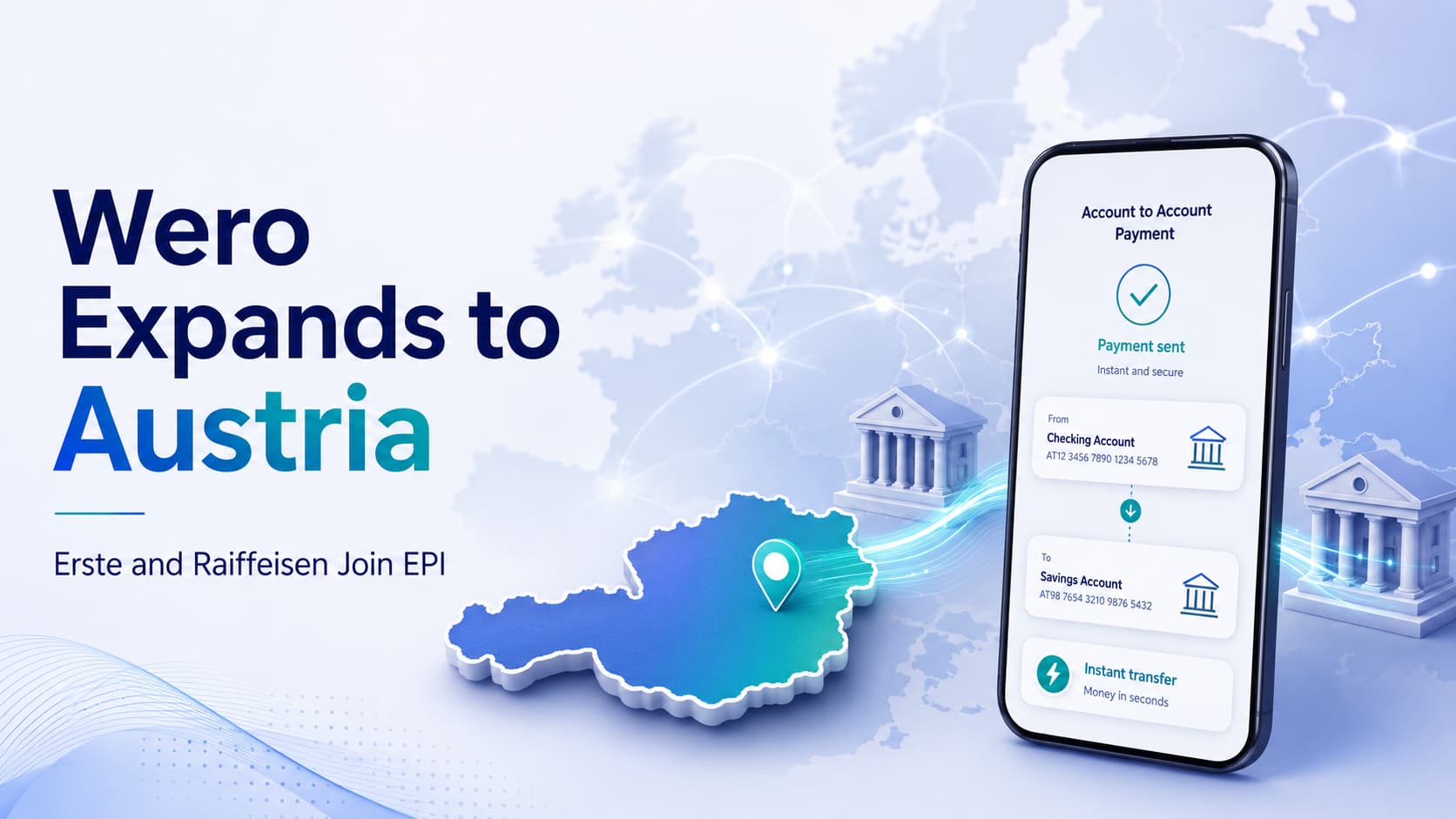
Austrian banks back Wero’s expansion
The European Payments Initiative, or EPI, announced that Erste Bank Oesterreich and Raiffeisen will join the organisation as shareholders, supporting the planned rollout of Wero in Austria.
The Raiffeisen participants include Raiffeisen Bank International, Raiffeisenlandesbank Niederösterreich-Wien, Raiffeisenlandesbank Oberösterreich and Raiffeisen-Landesbank Steiermark. The participation of the three regional banks remains subject to their respective supervisory board approvals.
Austria has a population of approximately nine million. Erste Bank and the Raiffeisen banking network serve a substantial share of the country’s retail and business banking customers, giving Wero an established distribution base as it enters the market.
What is Wero?
Wero is a European payment solution built around instant account-to-account payments. Instead of relying solely on card-based payment infrastructure, it allows eligible customers to initiate payments directly from their bank accounts.
The service initially focused on person-to-person transfers and has been available in Belgium, France and Germany since 2024. According to EPI, Wero currently serves more than 55 million users.
Retail payment functionality went live in Germany at the end of 2025, with a progressive rollout in France and Belgium during 2026. EPI also plans to extend Wero into point-of-sale payments, recurring payments, subscription management and merchant loyalty services.
Why the shareholder structure matters
The participation of major domestic banks is important because payment adoption depends on more than the availability of a wallet or payment interface.
Banks can provide Wero through existing banking relationships and applications, allowing consumers to use a familiar account and authentication environment. For merchants, broader issuing-bank participation can increase the number of customers able to select the payment method at checkout.
By becoming shareholders rather than only technical participants, Erste and Raiffeisen will also be able to contribute to the development and governance of the payment scheme.
Europe is building a regional payment network
EPI is supported by European banks and payment service providers and is developing Wero as a unified payment option for person-to-person, ecommerce and in-store transactions.
Its expansion reflects a broader effort to create a consistent European payment experience based on instant-payment infrastructure. The aim is to reduce fragmentation between national payment systems while giving consumers and merchants another option alongside cards and international digital wallets.
Austria joins an expansion programme that also includes Luxembourg and the Netherlands. EPI plans to migrate Payconiq users in Luxembourg by 2026 and iDEAL users in the Netherlands by 2027.
What this means for merchants
For merchants selling into Europe, Wero’s expansion shows that local and regional account-to-account payments are becoming a more important part of the checkout mix.
Businesses entering Austria and other European markets may need to evaluate:
- whether local customers can access Wero through their bank;
- how an account-to-account payment method fits alongside cards and wallets;
- how payment confirmation, refunds and reconciliation are handled;
- whether the payment provider supports Wero in ecommerce and future point-of-sale scenarios;
- how recurring payments and subscription functions develop as the service expands.
International cards will remain important, but relying on a single payment method may not reflect how different European markets are developing. A broader payment mix can help merchants match local banking habits and reduce avoidable checkout friction.
The next phase of Wero
Wero’s Austrian rollout has not yet been given a public launch date. The immediate development is the addition of the new banking shareholders and their commitment to support local deployment.
The next milestones will include technical integration, customer activation, merchant acceptance and the expansion of retail payment use cases.
For cross-border businesses, the development is another indication that Europe’s payment landscape is moving toward a combination of cards, digital wallets and instant bank-account payments, rather than a single universal payment method.
How to cite
HaiPay News, "Wero Expands to Austria as Erste and Raiffeisen Join EPI", https://www.haipay.net/news/wero-expands-austria-erste-raiffeisen-join-epi, June 23rd, 2026
3 sources
- European Payments Initiative
EPI welcomes Erste Bank Oesterreich, Raiffeisen Bank International and Raiffeisen Landesbanken as new shareholders
- Raiffeisen Bank International
EPI welcomes Erste Bank Oesterreich, Raiffeisen Bank International and Raiffeisen Landesbanken as new shareholders
 The Paypers
EPI adds Erste and Raiffeisen as Wero shareholders
Discover More
BLIK Recurring Payments Now Available for ChatGPT Subscriptions
3 sources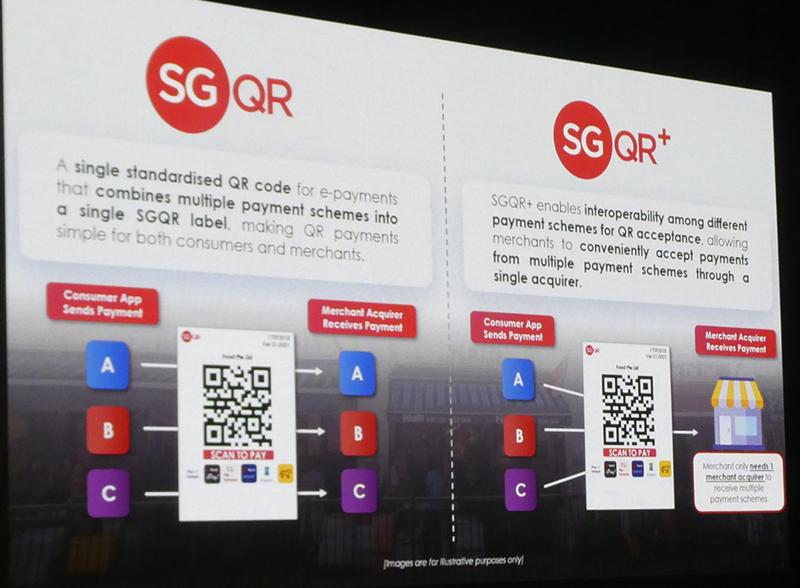
U.S. Publishes X9.150 Standard for Interoperable QR Code Payments
4 sources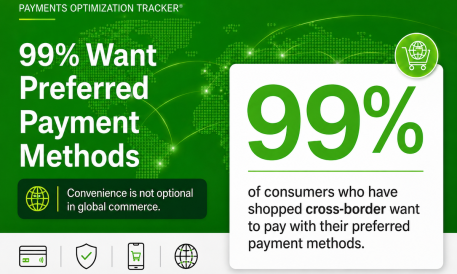
Cross-Border Checkout Data Shows Local Payment Choice Remains Critical for Global Merchants
2 sources
Payfuture Launches Shopify Integration for India Local Payments
3 sources