Standard Chartered, TIS INTEC launch cross-border payments service in Japan
Standard Chartered has teamed up with Japan’s TIS INTEC Group to roll out a new cross-border payments service that connects domestic financial institutions to the bank’s international network. The initiative focuses on smaller Japanese lenders seeking faster, more transparent and
June 2nd, 2026
Last updated: June 3
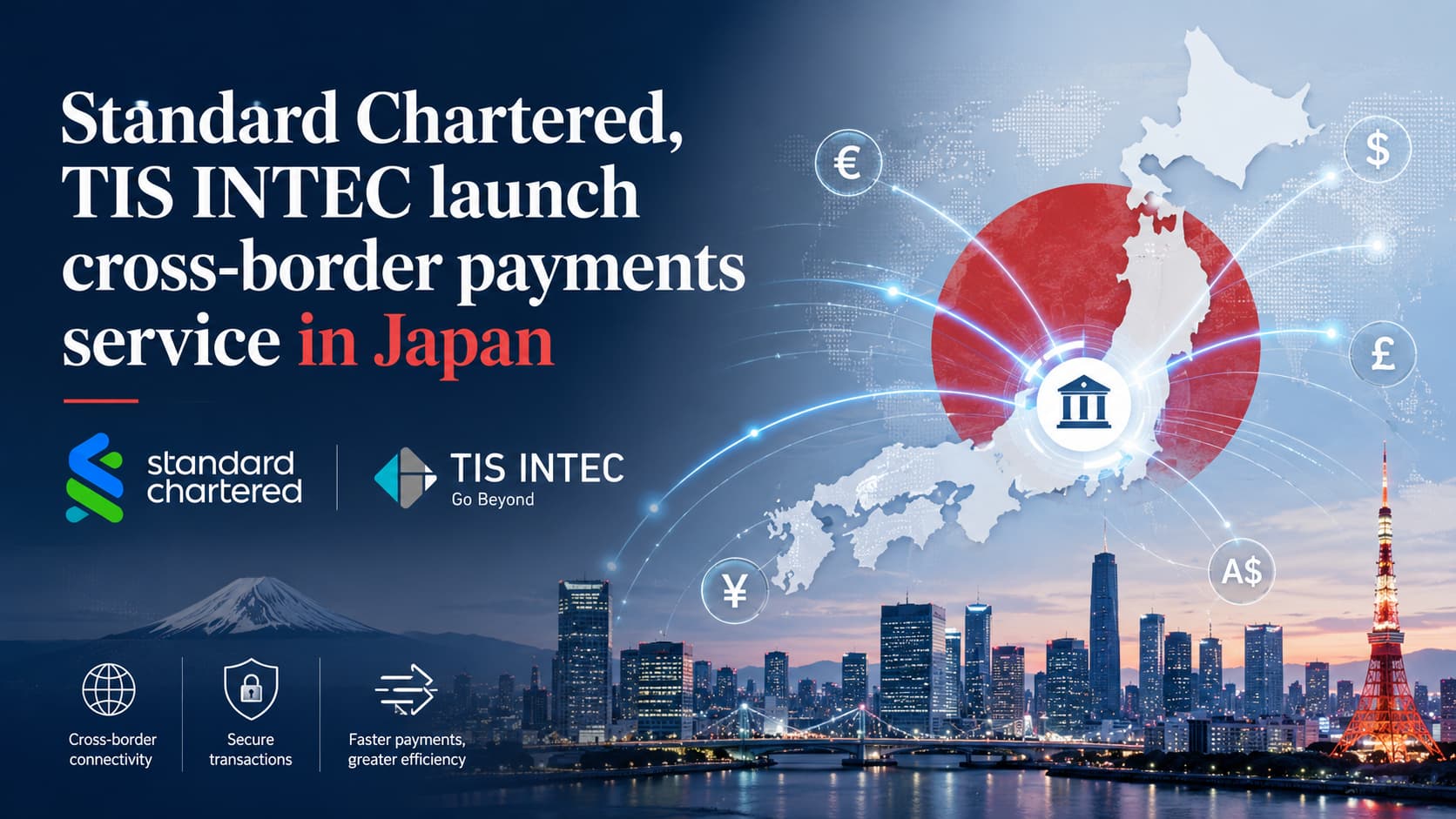
Standard Chartered has introduced a new cross-border payments service in Japan through a partnership with TIS INTEC Group, positioning the offering as a way for domestic financial institutions to expand international payment capabilities without building their own global infrastructure, according to Finextra.
The collaboration is structured so that Japanese banks and payment service providers can route cross-border transactions through Standard Chartered via a technology and integration layer operated by TIS INTEC Group. Finextra reports that this model allows local institutions to offer cross-border payments under their own brands while relying on Standard Chartered for the underlying international settlement, foreign exchange and compliance processes.
Service model and technical setup
Under the arrangement, TIS INTEC Group acts as an intermediary integration platform between Japanese financial institutions and Standard Chartered’s global payment network. Domestic institutions connect to TIS INTEC’s existing infrastructure, which then links into Standard Chartered’s cross-border rails.
Finextra notes that this design is intended to minimize the need for major system overhauls at participating institutions. Instead of establishing their own cross-border banking relationships, smaller lenders can plug into TIS INTEC’s platform to gain access to Standard Chartered’s network.
Key operational elements highlighted by Finextra include:
- Routing of payments: Japanese banks and payment service providers initiate transactions through their existing channels, which are then routed via TIS INTEC to Standard Chartered for execution.
- Settlement and FX: Standard Chartered handles international settlement, currency conversion and related transaction banking services.
- Compliance processes: The bank manages anti-money laundering and sanctions screening for cross-border flows, allowing local institutions to leverage its established compliance infrastructure.
The solution is described as supporting multiple currencies and a range of payment corridors, although the Finextra summary notes that specific currency lists or destination countries are not detailed in the announcement.
Target customers in Japan
According to Finextra’s coverage, the service is targeted particularly at small and mid-sized regional banks, credit unions and other local institutions in Japan. Many of these institutions may lack the scale, internal resources or international relationships required to develop extensive cross-border payment arrangements on their own.
By partnering with TIS INTEC and Standard Chartered, these smaller players are expected to be able to offer cross-border remittance and payment services to both retail and corporate clients more quickly and at lower cost than building their own infrastructure. Finextra describes the initiative as supporting financial inclusion and competitiveness, enabling institutions outside Japan’s largest banking groups to provide services traditionally associated with global banks.
The model also aims to reduce operational burden and complexity for local institutions. Instead of managing multiple correspondent relationships, compliance requirements and technology integrations across jurisdictions, participating firms can rely on Standard Chartered’s network and TIS INTEC’s domestic connectivity.
Integration with existing domestic workflows
Finextra reports that the solution has been designed to integrate with existing domestic payment workflows in Japan. End users initiate cross-border transfers through the same online banking, branch or other channels they already use at their local financial institution.
From the customer perspective, the experience is intended to remain familiar while benefiting from improved speed, predictability and transparency. Behind the scenes, the local institution routes the payment instruction through TIS INTEC’s platform, which passes it on to Standard Chartered for international processing and settlement.
The article emphasizes that this setup is intended to avoid disruption to existing customer interfaces and back-office processes, even as it introduces enhanced cross-border functionality. This may lower implementation barriers for smaller institutions that are cautious about major system changes.
Demand drivers and market context
According to Finextra, the launch is framed as a response to rising demand in Japan for faster, more transparent and cost-effective cross-border payments. Japanese corporates expanding overseas and individuals sending funds abroad are described as key drivers of growth in international payment volumes.
The partnership aims to address these needs by:
- Streamlining cross-border payment processes for local institutions
- Improving speed, predictability and traceability of international transfers
- Extending access to a broad set of destination markets via Standard Chartered’s international network
Finextra presents the initiative as part of a broader trend in which banks collaborate with technology providers to upgrade cross-border payment services while managing regulatory complexity. Standard Chartered’s role includes handling anti-money laundering and sanctions screening, areas that have become increasingly demanding for financial institutions globally.
The headline-only secondary report from Finextra on another partnership between Currencycloud and FutureBank to simplify cross-border payments for banks and fintechs underscores this wider industry pattern of combining banking capabilities with specialist technology platforms to improve international payments. While that separate initiative involves different parties, it illustrates the same market movement toward modular, partner-based solutions.
Strategic motivations for the partners
Finextra’s report cites comments from representatives of both Standard Chartered and TIS INTEC Group, who describe the cooperation as strategically significant.
From Standard Chartered’s perspective, the bank positions the service as part of its commitment to supporting clients in Japan with better access to international financial services and contributing to the digital transformation of cross-border payments. Working with a domestic technology partner gives the bank access to a wider range of local institutions than it might reach through direct relationships alone.
For TIS INTEC Group, the partnership is presented as an opportunity to expand its payment service offerings and strengthen its role as a provider of payment infrastructure to Japanese financial institutions. By combining its technology platform and local-market expertise with Standard Chartered’s cross-border capabilities, TIS INTEC aims to make advanced international payment services more widely available across Japan’s financial ecosystem.
Finextra indicates that the collaboration is intended to be scalable, with the ability to add more participating institutions and new payment corridors over time. However, the announcement does not disclose transaction volume targets, fee structures or service-level metrics, and it does not list specific client institutions.
Positioning within the competitive landscape
The launch in Japan comes as cross-border payment providers globally are investing in infrastructure and new service models to meet higher expectations from businesses and consumers. While the secondary coverage from pymnts.com focuses on Adyen’s embedded financial products for European platforms and marketplaces—a different product set and geography—it illustrates a parallel trend: financial technology and banking groups embedding more services directly into third-party platforms to reduce friction for end users.
In this context, the Standard Chartered–TIS INTEC initiative applies a similar logic to the Japanese cross-border payments market. Rather than requiring each regional bank or credit union to negotiate its own international arrangements, the new service offers a platform-based access model where institutions plug into a domestic technology hub that is already integrated with a global bank.
According to Finextra, the partners see this as a way to:
- Enhance the competitiveness of smaller Japanese financial institutions
- Meet evolving customer expectations around cross-border transfers
- Strengthen Standard Chartered’s position in Japan’s transaction banking and payments market
- Reinforce TIS INTEC Group’s role as a key payment infrastructure provider in the country
The announcement does not specify an exact launch date beyond describing the service as being introduced in Japan through this partnership. Nonetheless, Finextra presents the initiative as a notable example of how international banks and local technology groups are combining capabilities to respond to growing demand for efficient, user-friendly cross-border payment services in Japan.
Originally reported by Finextra.
How to cite
HaiPay News, "Standard Chartered, TIS INTEC launch cross-border payments service in Japan", https://www.haipay.net/news/standard-chartered-tis-intec-japan-cross-border-payments, June 2nd, 2026
3 sources



Discover More
BLIK Recurring Payments Now Available for ChatGPT Subscriptions
3 sources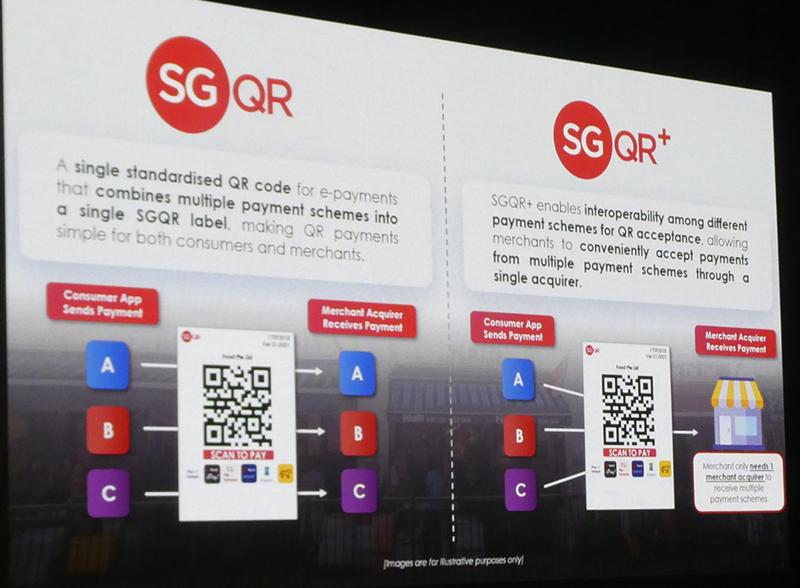
U.S. Publishes X9.150 Standard for Interoperable QR Code Payments
4 sources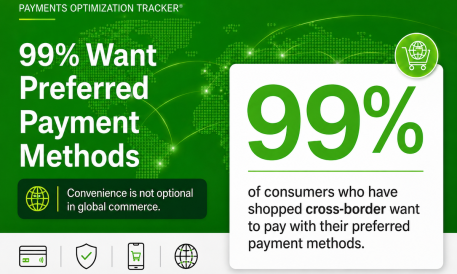
Cross-Border Checkout Data Shows Local Payment Choice Remains Critical for Global Merchants
2 sources
Payfuture Launches Shopify Integration for India Local Payments
3 sources