Thunes and Pomelo partner to streamline cross-border payouts between Latin America and Asia
Thunes and Pomelo have formed a strategic partnership to connect Thunes’ global payments network with Pomelo’s issuing and payments infrastructure in Latin America, aiming to improve cross-border payouts from Asia for digital platforms, fintechs and other businesses operating acr
June 2nd, 2026
Last updated: June 3

Thunes and Pomelo have entered a strategic partnership to enhance cross-border payouts between Asia and Latin America, connecting Thunes’ global money movement network with Pomelo’s issuing and payment infrastructure in key Latin American markets, according to Finextra. The collaboration is designed to make it easier for companies in Asia and other regions to disburse funds to users and businesses across Latin America using more localised payout options.
Scope of the partnership
According to Finextra, Thunes operates a global payments network that supports instant cross-border transfers to bank accounts, digital wallets and cash pickup locations in more than 130 countries. Pomelo, by contrast, is described as a regional fintech player focused on Latin America, providing card issuing, payment processing and compliance infrastructure tailored to local markets such as Brazil, Mexico and Argentina.
By linking these capabilities, the partnership aims to combine Thunes’ international reach, particularly in Asia, with Pomelo’s local expertise in Latin American payment rails and regulation. The companies position this link-up as a response to longstanding frictions in sending money between the two regions, including complex compliance requirements, limited local payout options and slow settlement.
Focus on business and platform use cases
The arrangement is oriented towards business and platform clients rather than consumer remittances, according to Finextra. The initial focus is on enabling Asian companies, global platforms and payment service providers to make payouts to:
- Gig and platform workers
- Marketplace sellers and suppliers
- Contractors and other end users in Latin America
These users are typically connected to digital business models across sectors such as fintech, e-commerce, travel and online services. The partnership is intended to help platforms that originate payments in Asia deliver funds directly into local cards, digital accounts and other instruments managed via Pomelo in Latin American markets.
Technical integration and single-API access
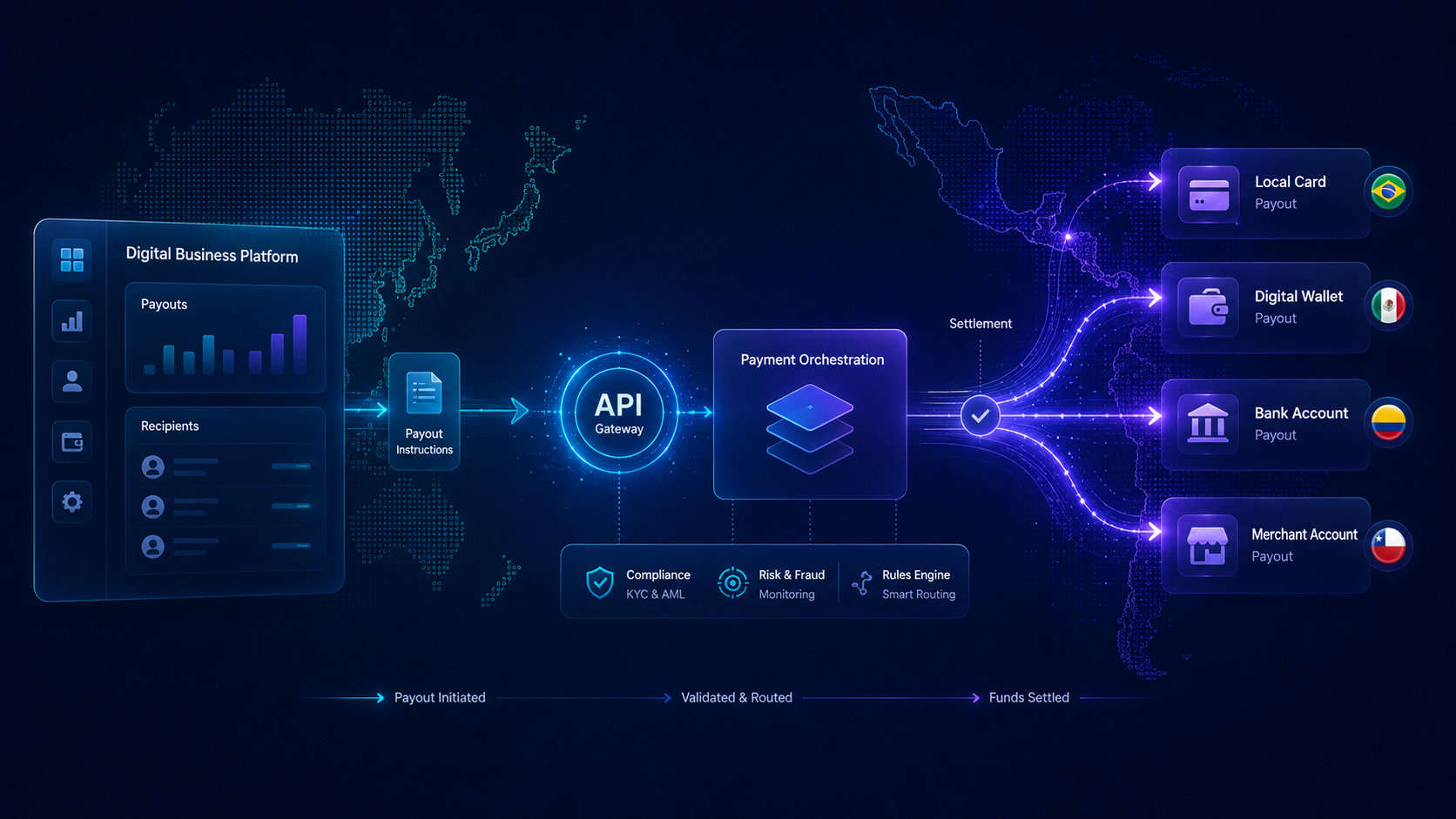
Finextra Thunes’ partners to initiate transactions through the Thunes platform, which will then route those payments to Pomelo’s infrastructure for final delivery in Latin America. The configuration is intended to function as a single API connection to Thunes that provides access to multiple payout corridors and endpoints supported by Pomelo.
According to the companies’ description in Finextra:
- A business connects once to Thunes’ API.
- Cross-border payout instructions are sent via Thunes.
- Thunes routes relevant Latin American payouts to Pomelo.
- Pomelo handles local issuance, processing, settlement and compliance.
This model is presented as a way to reduce integration costs and shorten time-to-market for firms that want to expand their payout capabilities into Latin America without building separate connections to local providers in each market.
Local payout methods and regulatory support
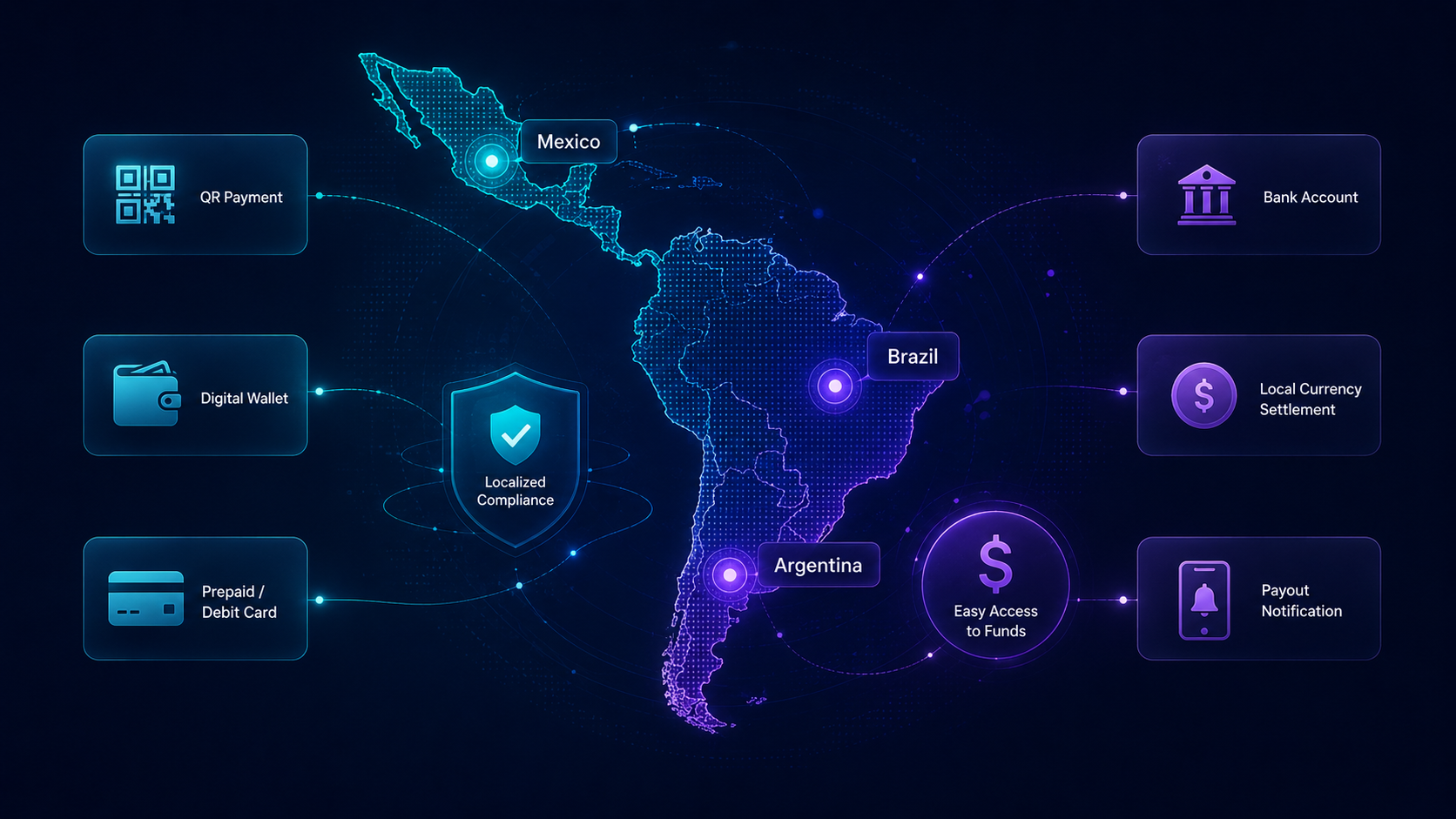
Pomelo’s infrastructure is reported to support virtual and physical card issuance and local payment methods in several major Latin American economies, including Brazil, Mexico and Argentina, with scope for additional markets as Pomelo’s footprint grows. By integrating Pomelo as a payout partner, Thunes expects to offer customers a wider set of localized payout endpoints, such as:
- Prepaid and debit cards issued via Pomelo
- Digital accounts and other account-based instruments
- Local payment methods specific to each market
Finextra notes that the partnership combines Pomelo’s regulatory and compliance frameworks in Latin America with Thunes’ existing licensing and compliance capabilities across other regions. This is intended to reduce operational and regulatory complexity for international firms that need to pay users in multiple Latin American jurisdictions, each with different rules governing payments, foreign exchange and card issuance.
Strategic rationale from both companies
Executives from both firms frame the agreement as a strategic expansion move, according to Finextra.
On Thunes’ side, a company representative highlights Latin America as a priority growth market, indicating that connecting with a regional specialist like Pomelo allows Thunes to deepen its presence and offer more localized payout options. The Thunes executive emphasises that embedding local card and account infrastructure into the cross-border network enables customers to do more than simply move funds; they can integrate payouts directly into digital products and user experiences in Latin America.
A Pomelo executive, cited by Finextra, stresses the ambition to make Latin America more accessible for global technology, financial and commerce platforms. By linking to Thunes’ global payments network, particularly its reach in Asia, Pomelo sees an opportunity to plug Latin American markets into a wider ecosystem of international payment flows. The Pomelo representative points to local currency payouts, immediate access to funds and adherence to local regulations as critical enablers for global companies aiming to scale in the region.
Market context and trends
Finextra situates the partnership within a broader trend of collaboration between global payment networks and regional fintech infrastructure providers. Cross-border payment volumes between Asia and Latin America have expanded as trade, digital commerce and remote work have grown, but payment participants still face:
- High fees and unfavourable foreign exchange margins
- Long settlement times compared with domestic payments
- Limited access to local payout methods such as domestic cards and wallets
By combining Thunes’ cross-border payment rails with Pomelo’s regional issuing and processing platform, the companies aim to tackle these issues and position themselves as key infrastructure providers for cross-regional payouts.
A separate report from The Paypers on a different partnership in the Asia–Africa corridor underscores the same macro trend. In that coverage, The Paypers describes how African fintech Mukuru is working with WeXchange to simplify cross-border remittances between Africa and Asia, focusing on accessibility, speed and affordability for migrant workers and expatriates. Although involving different players and regions, that example illustrates rising demand for specialised cross-border payment collaborations designed to provide faster, more transparent transfers across emerging market corridors.
Use cases and sectors
According to Finextra, Thunes and Pomelo are targeting a range of digital-first industries that rely on efficient cross-border payouts, including:
- Fintech applications that need to disburse funds to Latin American users
- E-commerce and online marketplaces paying sellers and merchants
- Gig-economy and freelance platforms paying workers and contractors
- Travel and online services platforms with Latin American service providers
The companies frame the primary use cases as payouts and disbursements, not direct-to-consumer remittance services. This means the main beneficiaries are expected to be businesses and platforms that must pay large numbers of users or partners in Latin America from funds originating in Asia or other global regions.
Commercial details and future plans
Finextra notes that no specific launch date, transaction volumes or financial terms of the agreement have been disclosed. However, both firms present the partnership as a strategic step in their respective expansion plans.
For Thunes, the tie-up is expected to deepen its presence in Latin America and broaden the range of payout endpoints available through its network. For Pomelo, the arrangement is portrayed as a route to extend its reach beyond Latin America, tapping into demand from Asia and other regions via Thunes’ established client base.
The companies indicate that they plan to develop the partnership further over time, with the potential to:
- Add more Latin American markets supported by Pomelo’s infrastructure
- Expand the set of supported payout instruments and local payment methods
- Serve new use cases as cross-border payment flows between Asia and Latin America continue to grow
A separate, headline-only brief from TechCrunch regarding Stripe’s launch of new revenue and finance automation tools for global businesses highlights parallel activity by other large payments providers seeking to support international operations. While not directly related to the Thunes–Pomelo deal, it reinforces the broader context in which major payment firms and fintechs are investing in infrastructure, automation and cross-border capabilities to serve global digital businesses.
Overall, the Thunes–Pomelo collaboration is framed as a targeted effort to streamline how businesses in Asia and other regions can pay users and partners in Latin America, using a combination of global cross-border rails and local issuing and payment infrastructure tailored to the region.
Originally reported by Finextra.
How to cite
HaiPay News, "Thunes and Pomelo partner to streamline cross-border payouts between Latin America and Asia", https://www.haipay.net/news/thunes-pomelo-partner-cross-border-payouts-latam-asia, June 2nd, 2026
3 sources



Discover More

TPBank and TerraPay Expand Near-Real-Time Cross-Border Payments
5 sources
FinXP and Buckzy Expand Real-Time Cross-Border Payment Capabilities
3 sources
Citi and Siam Commercial Bank Launch 24/7 Near-Real-Time USD Payments
2 sources
Visa and Western Union expand collaboration on real-time cross-border payments
3 sources